Coastal Without the Costume
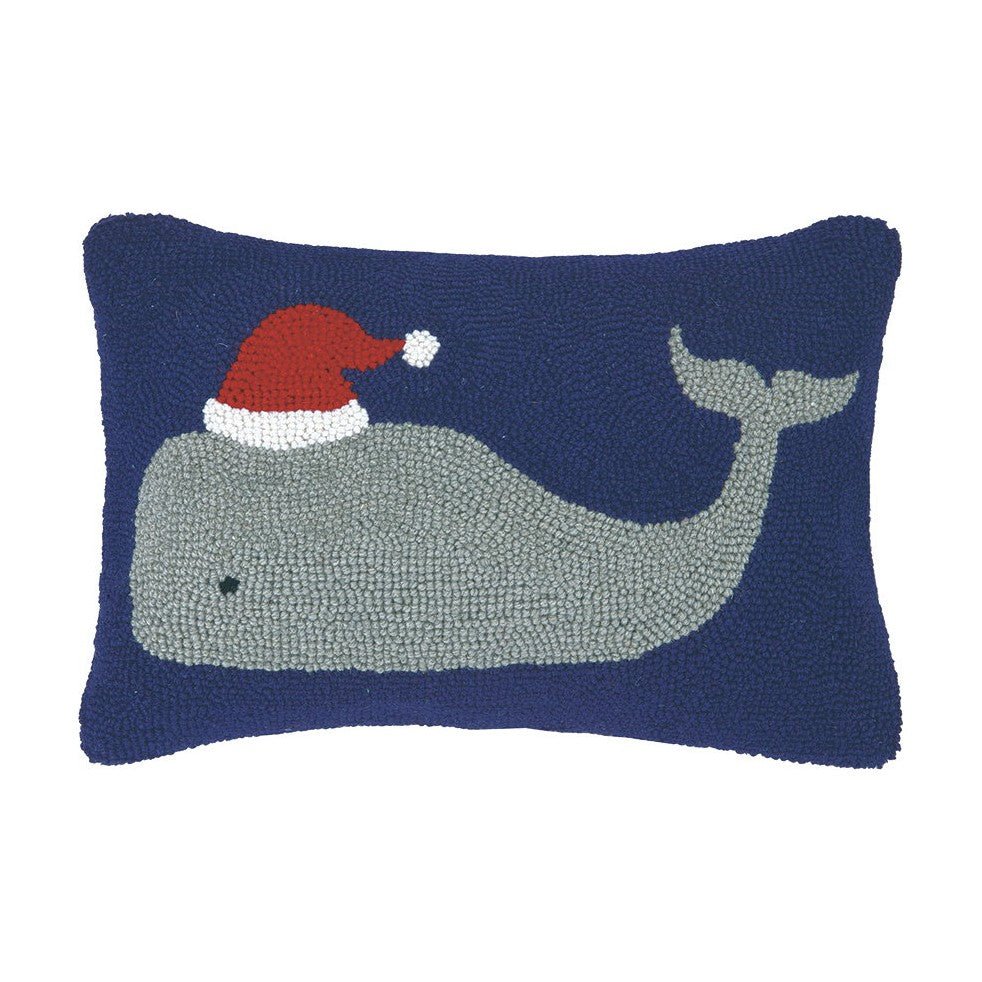
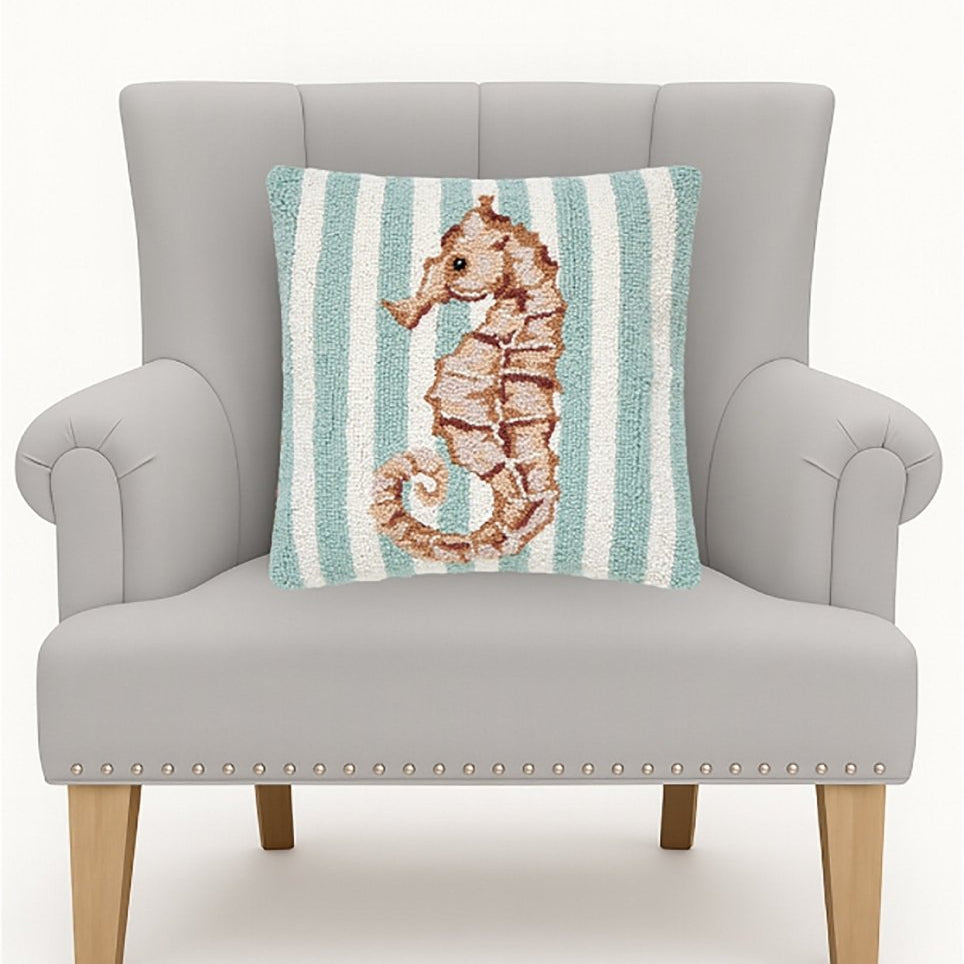
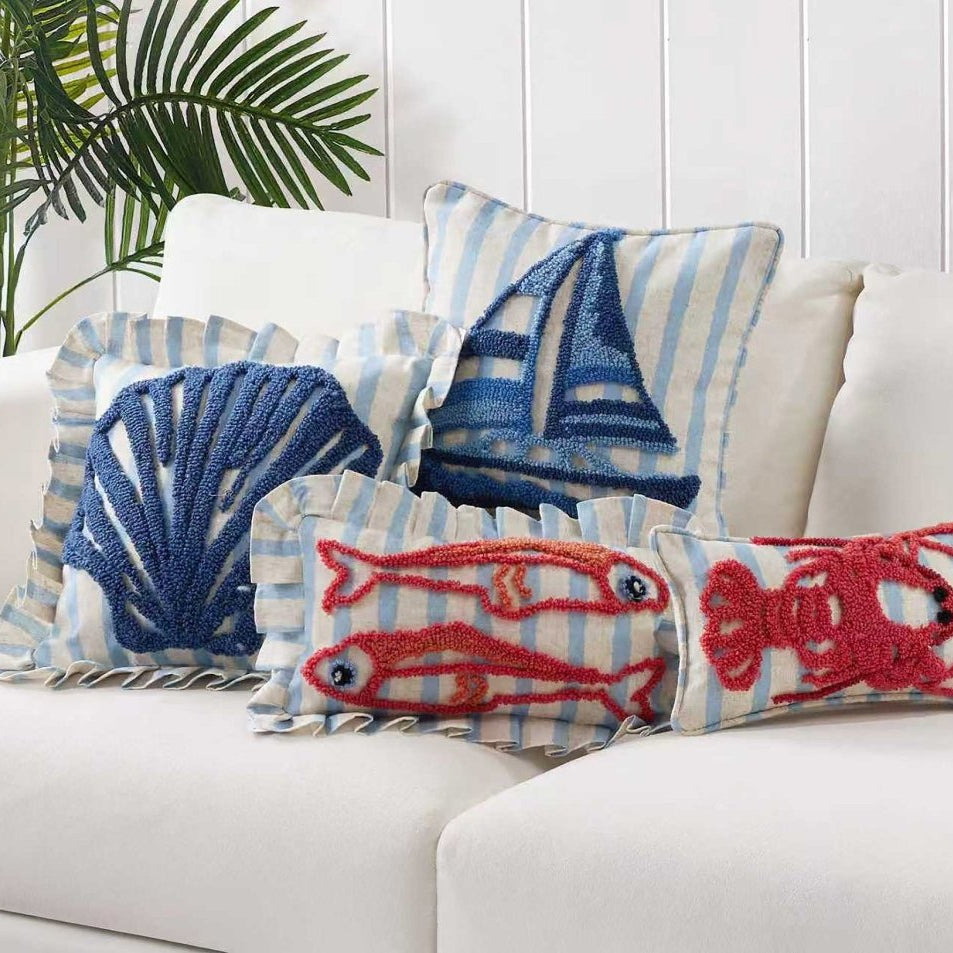
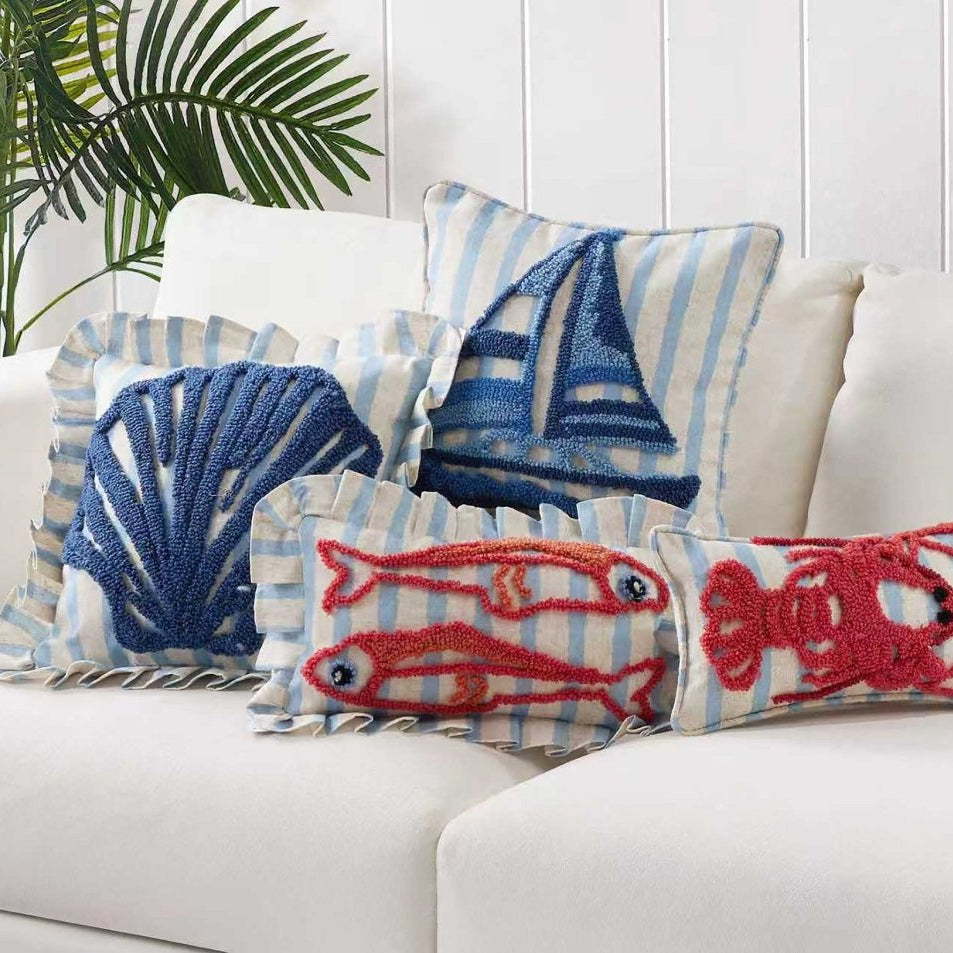
The difference between a coastal room and a nautical gift shop is restraint. One or two stitched pieces with genuine texture will do more than a sofa full of rope-print cushions, because the eye reads handwork before it reads subject matter. A single needlepoint whale against a linen sofa says more about the water than six printed anchors ever will. Start with one anchor piece, one animal, and one landscape, and stop there.
The Three Crafts, and What Each One Does in a Coastal Room
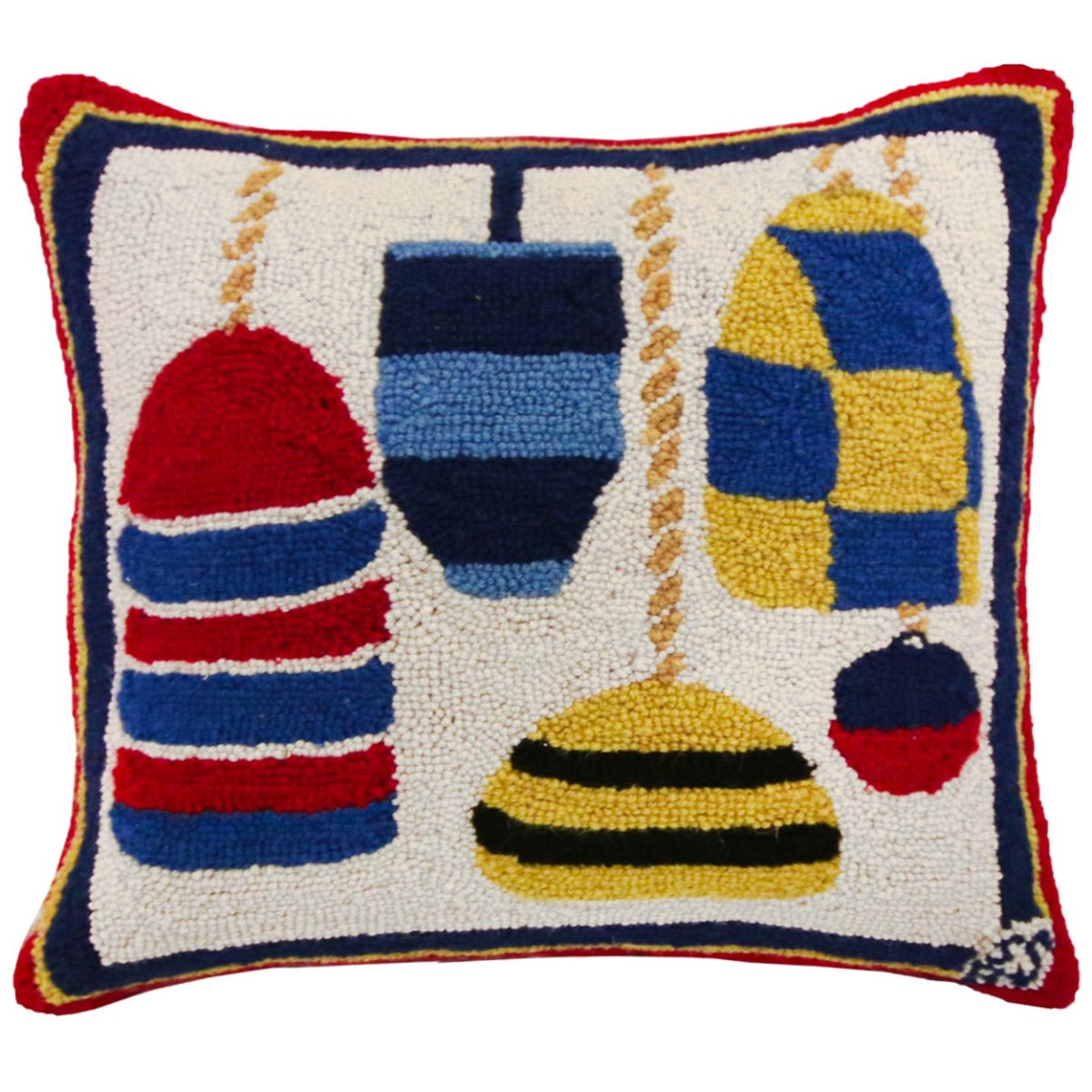
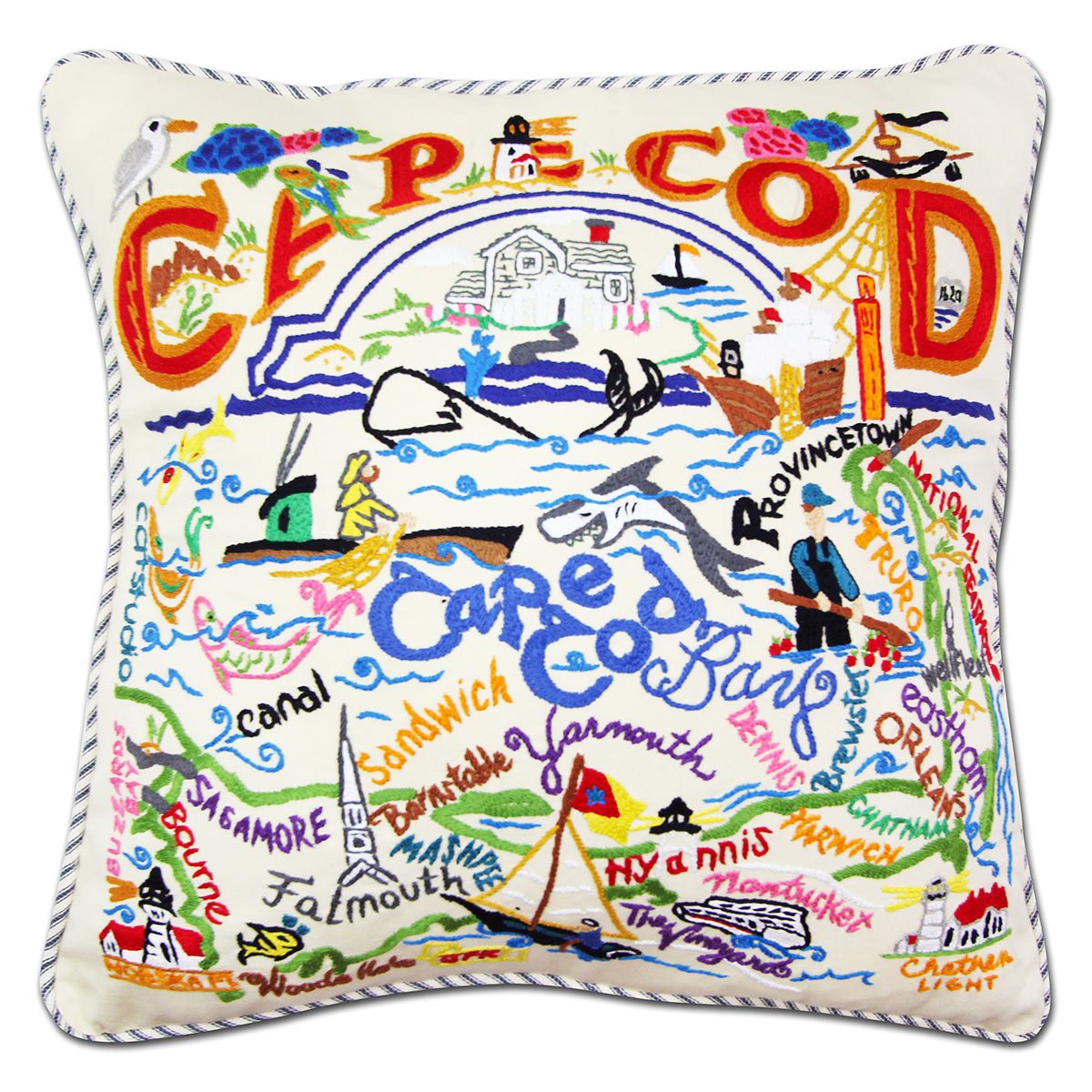
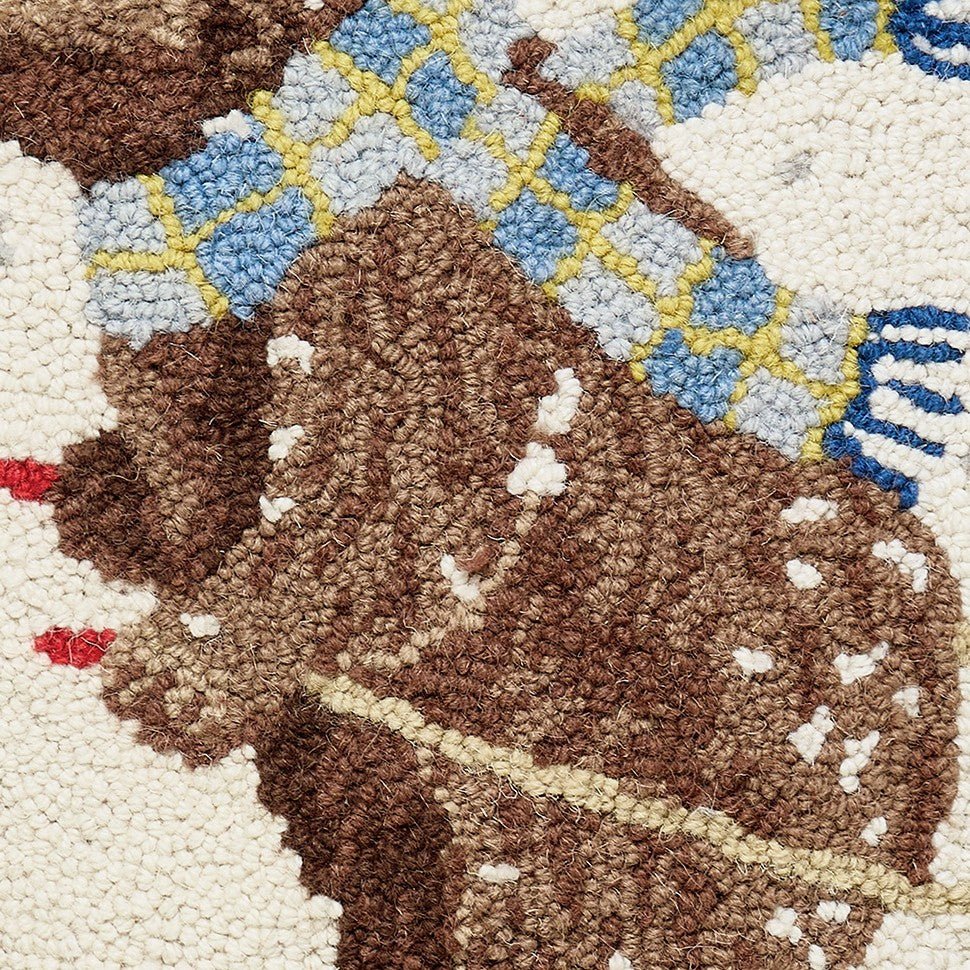
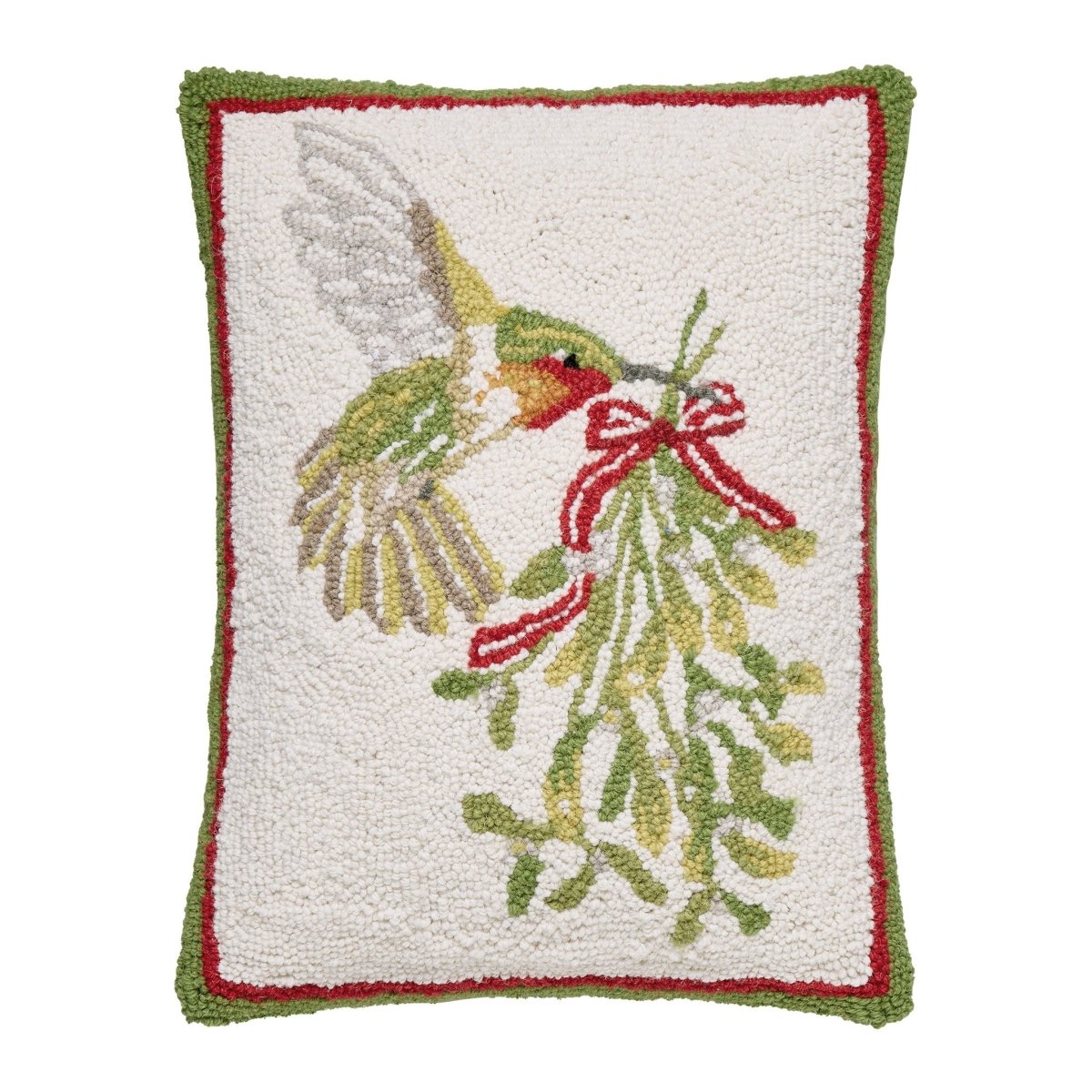
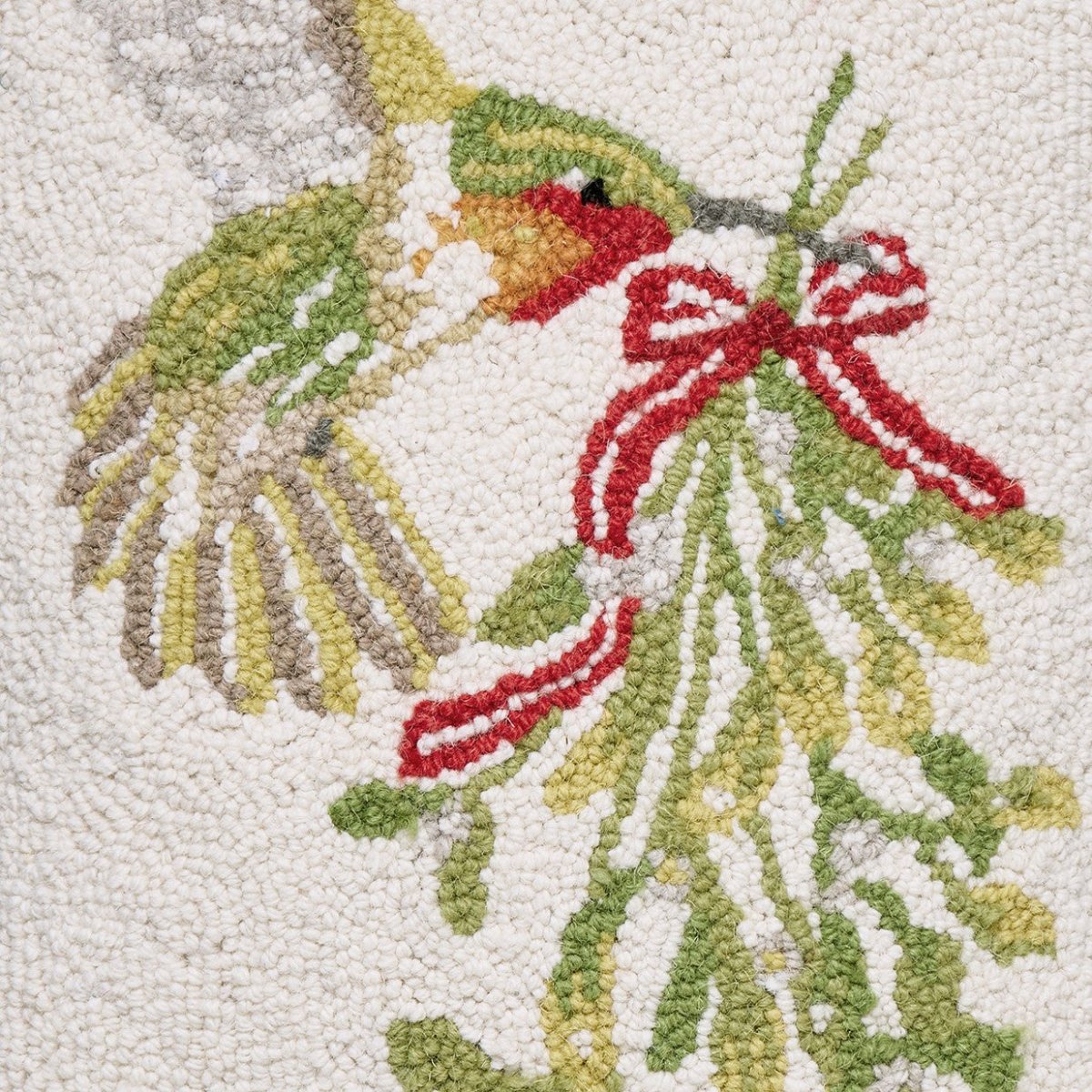
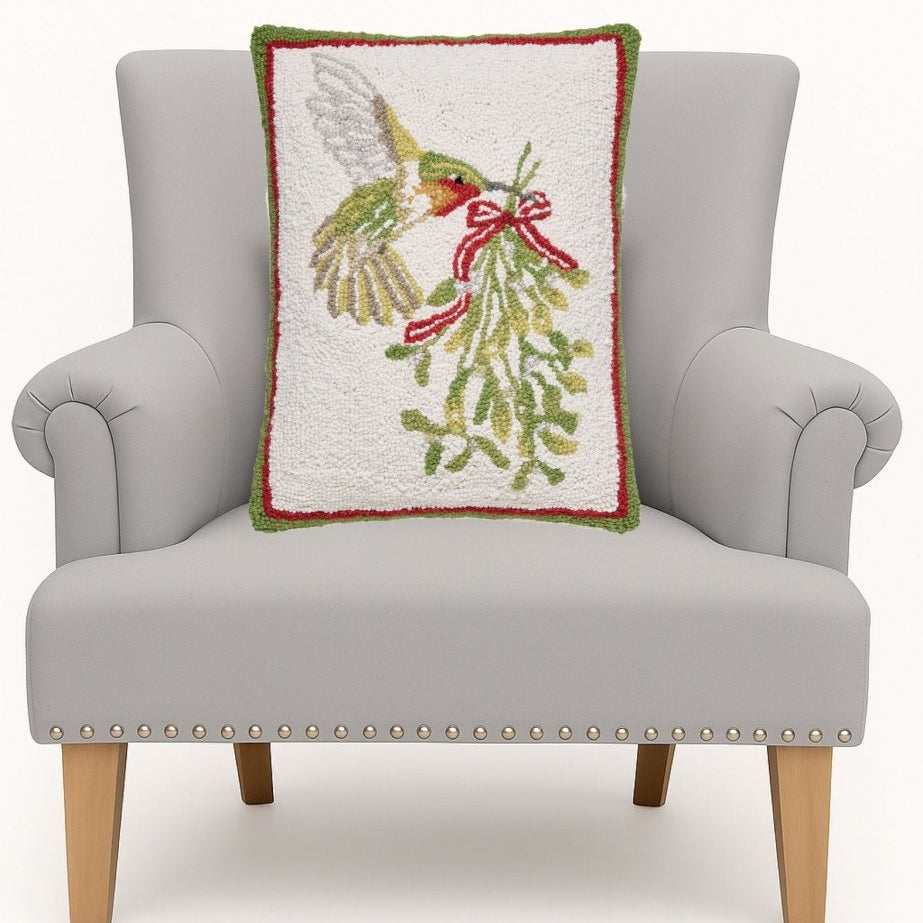
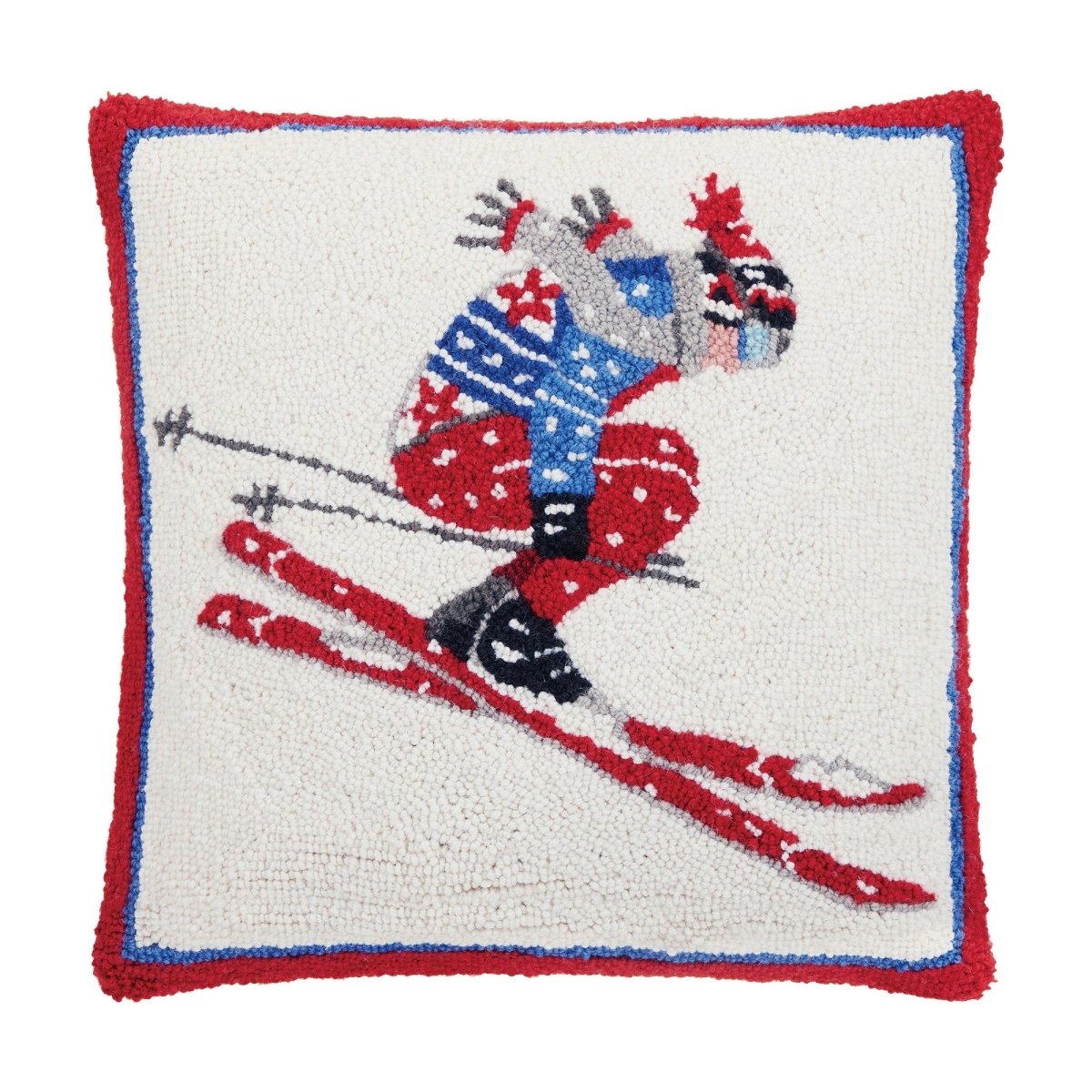
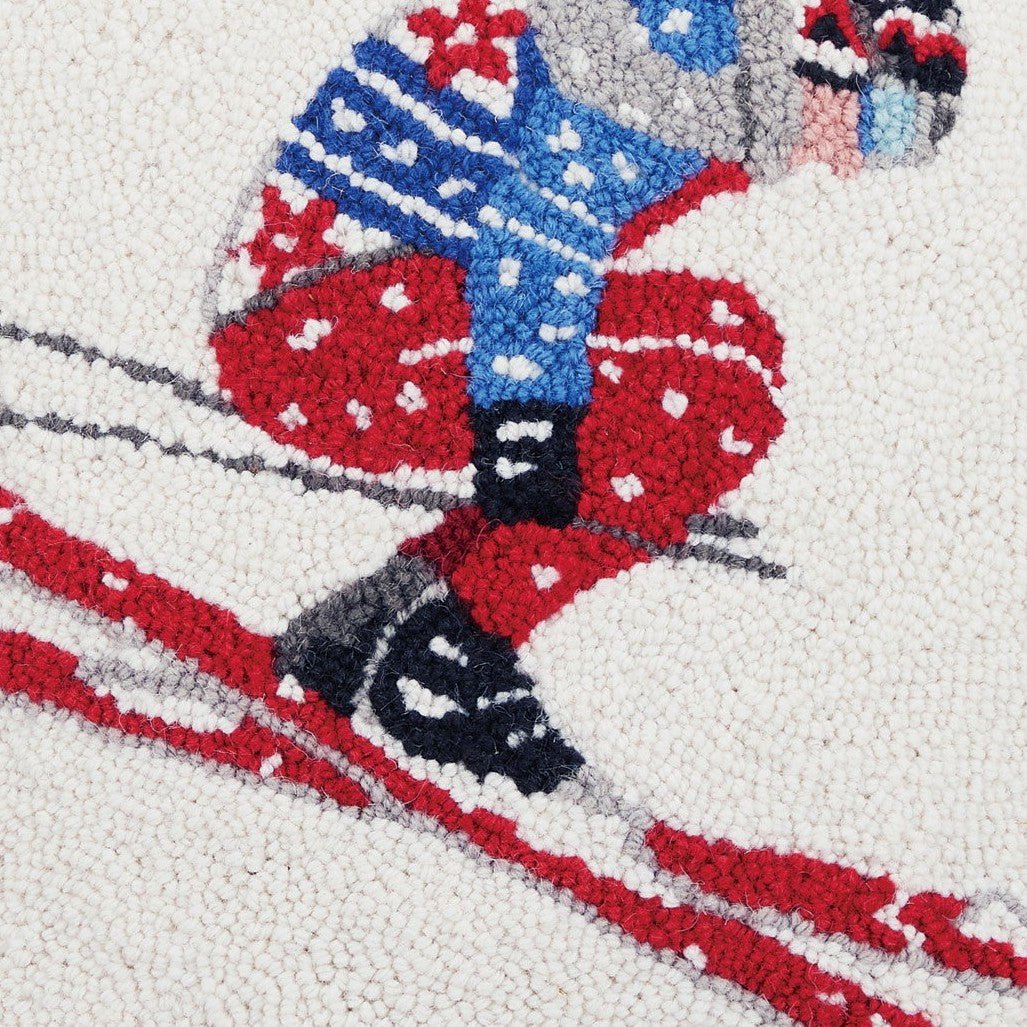
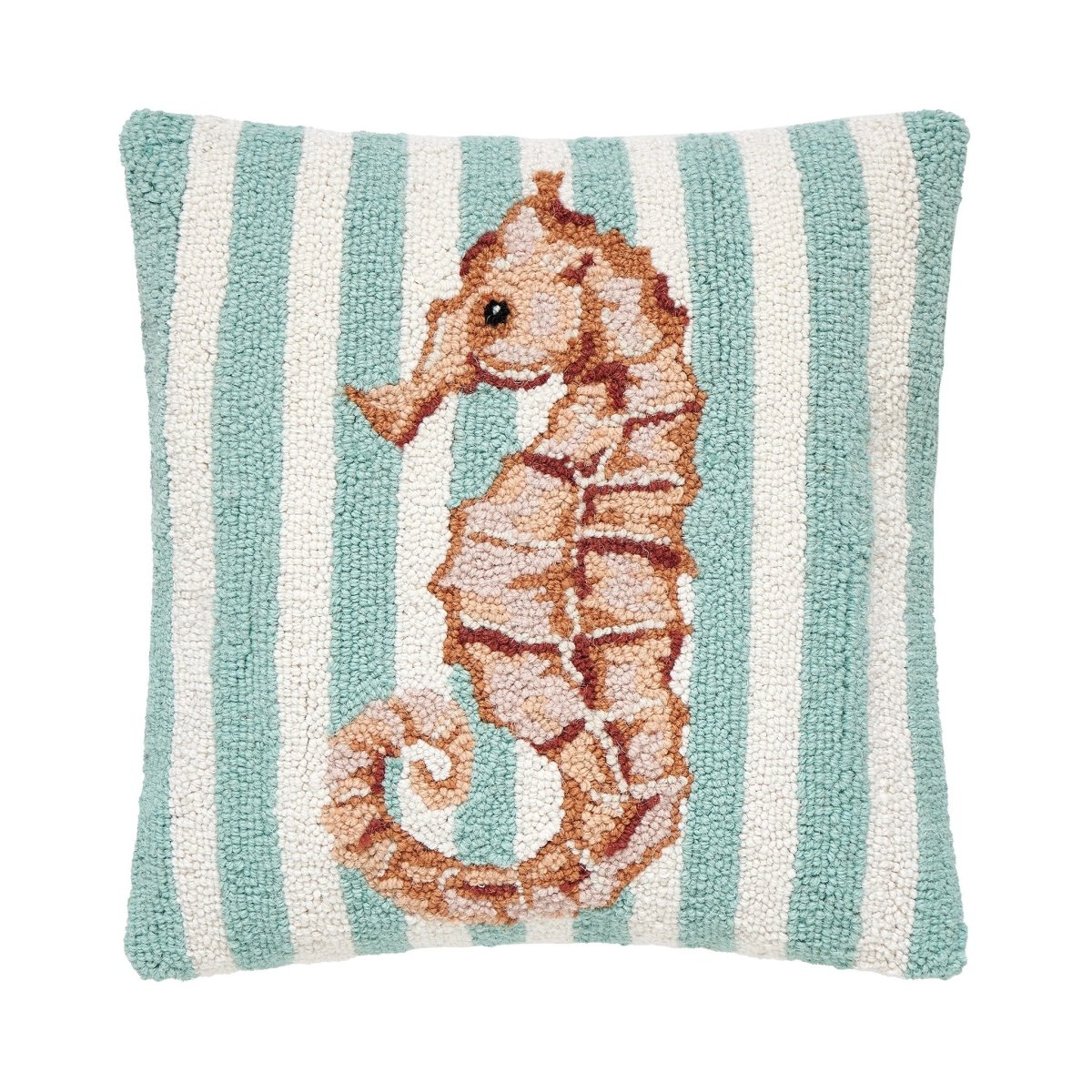
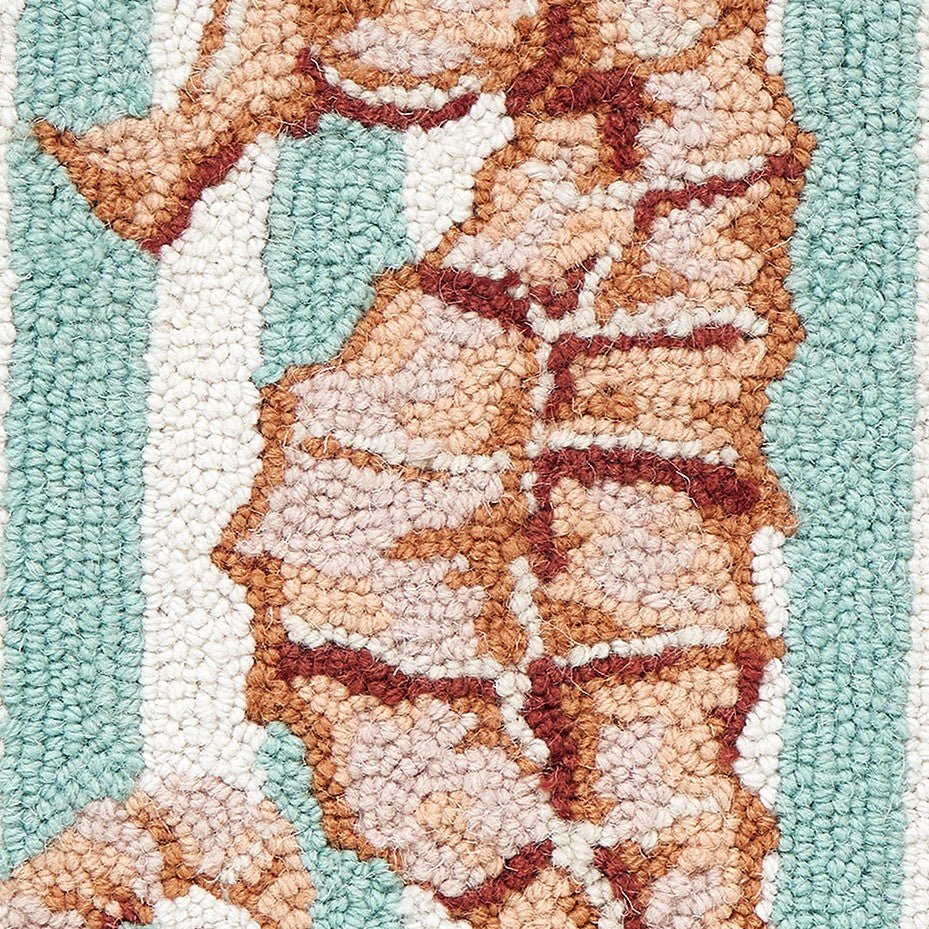
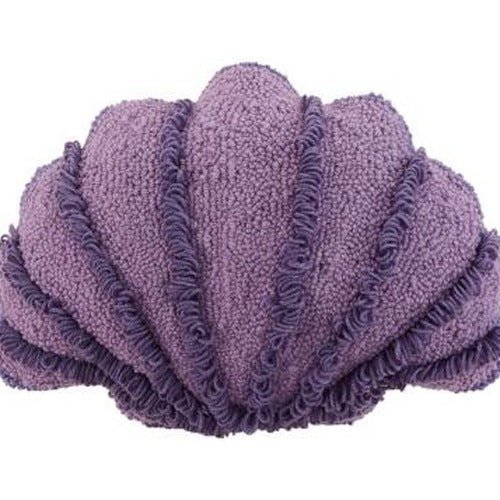
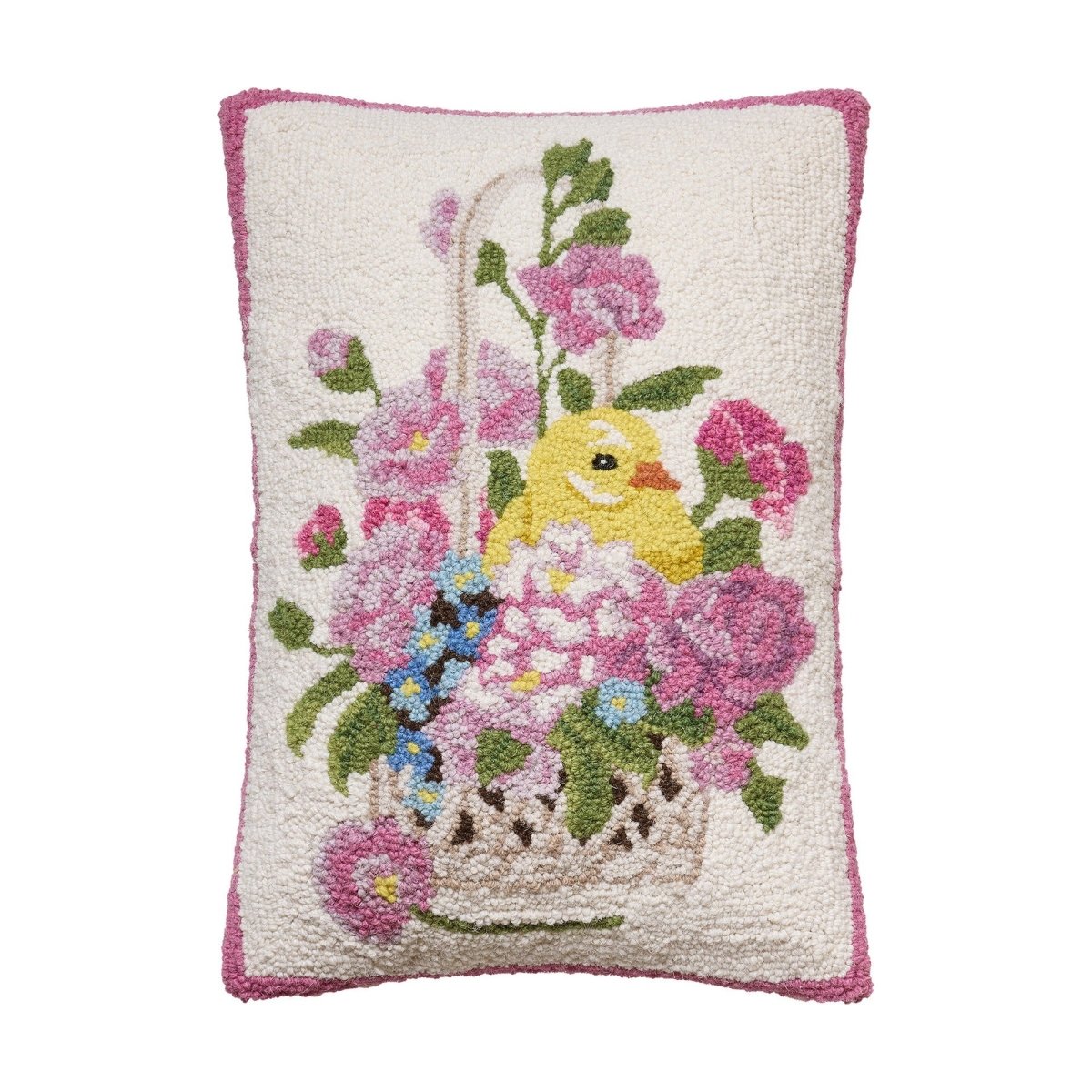
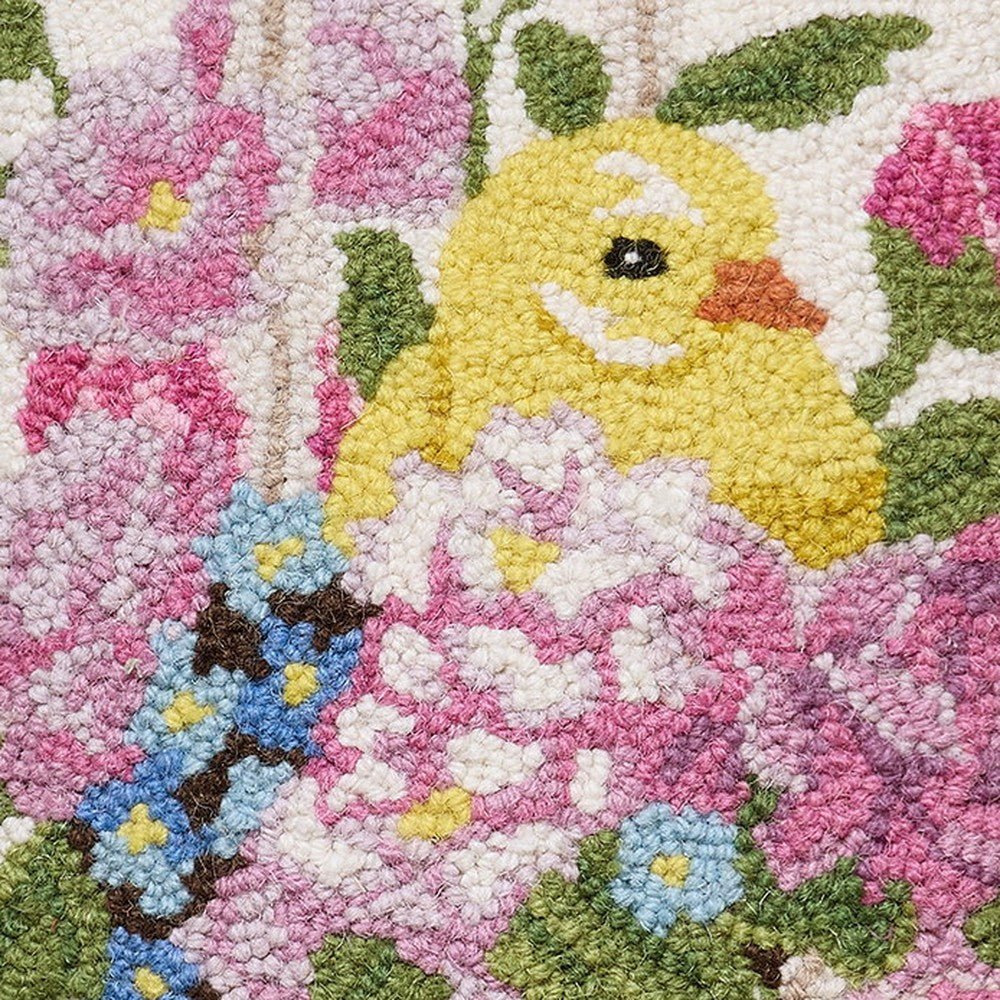
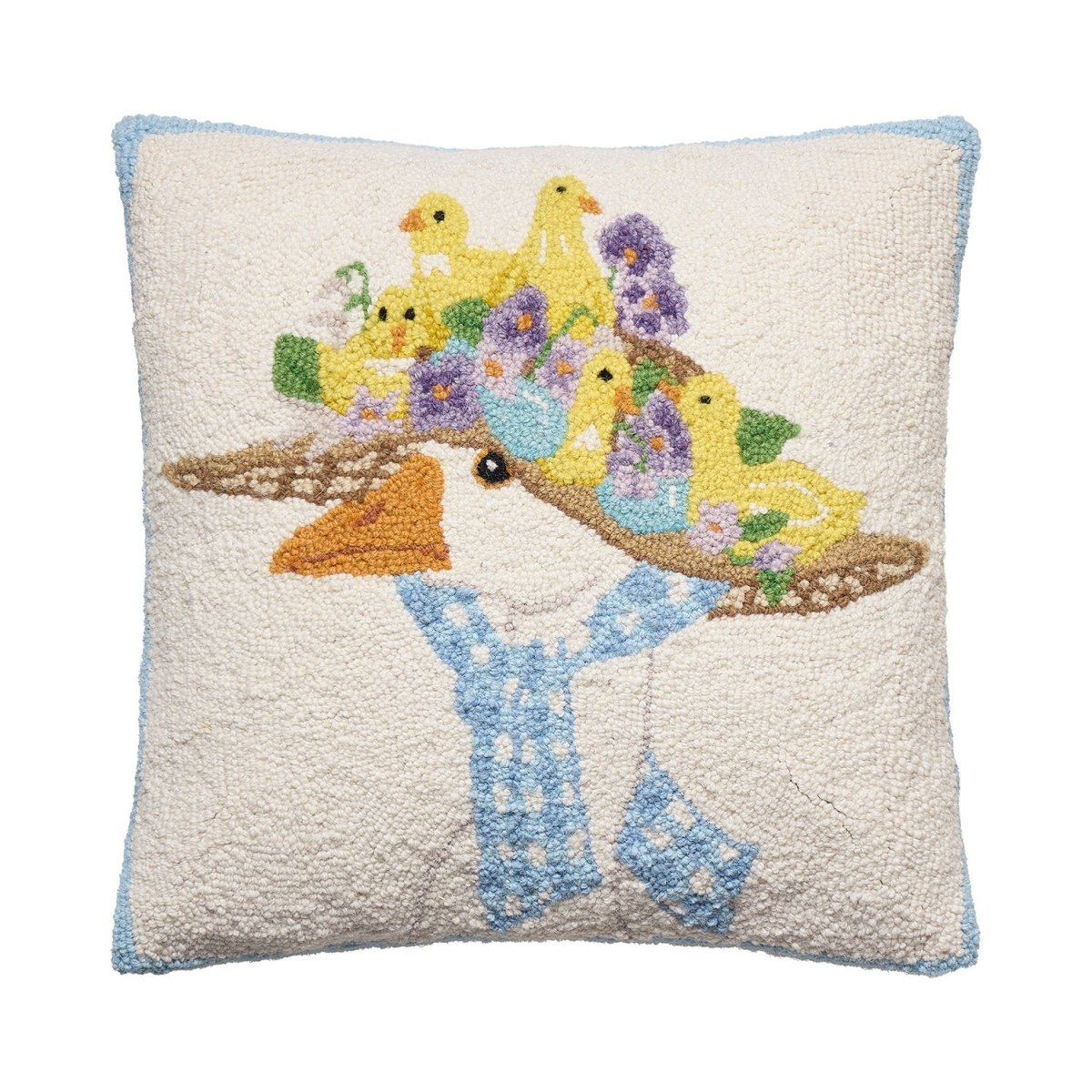
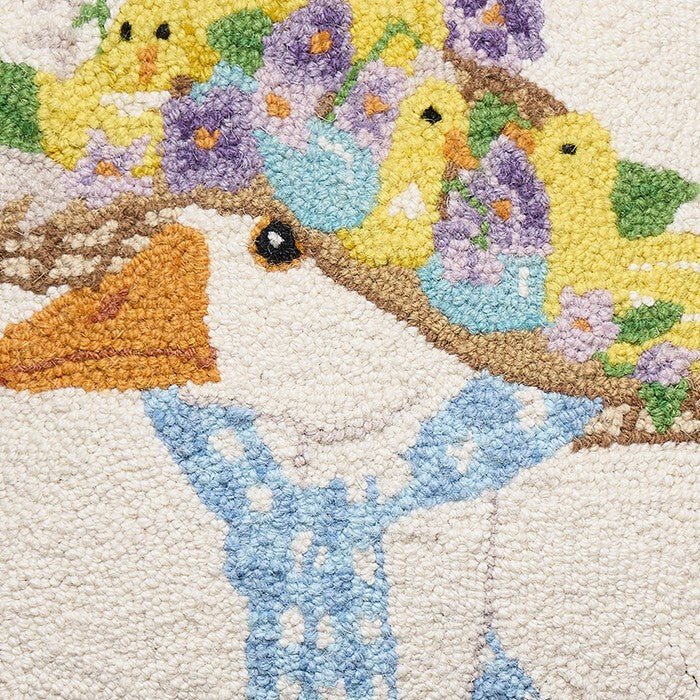
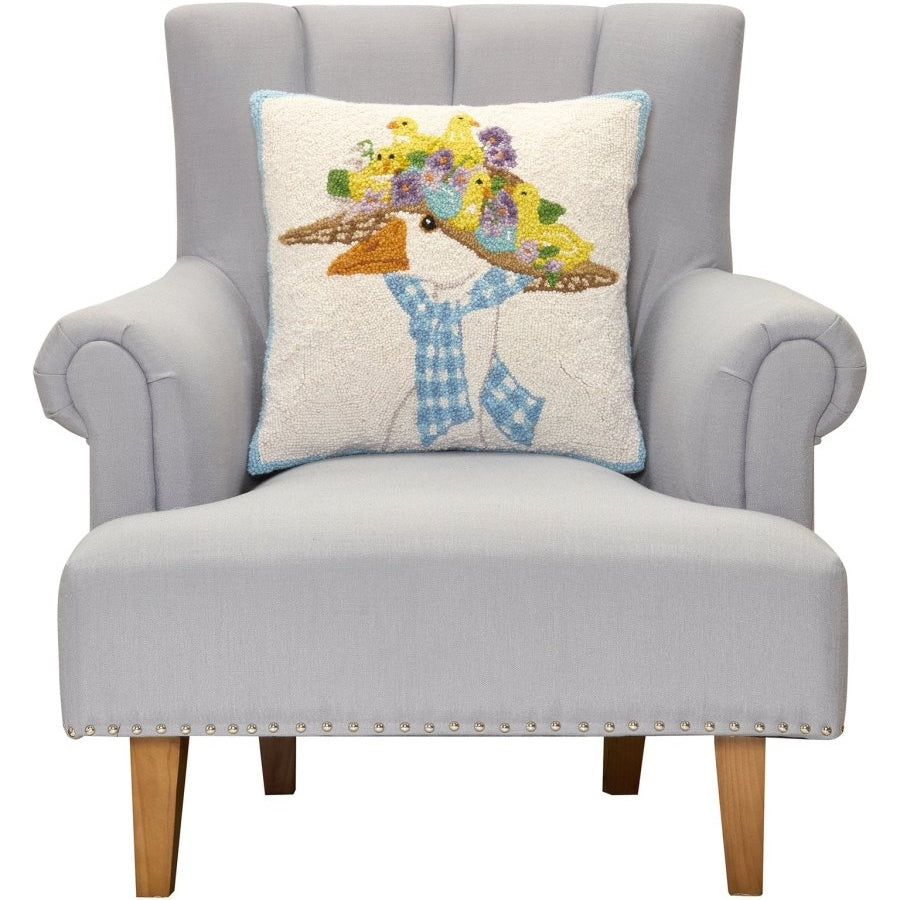
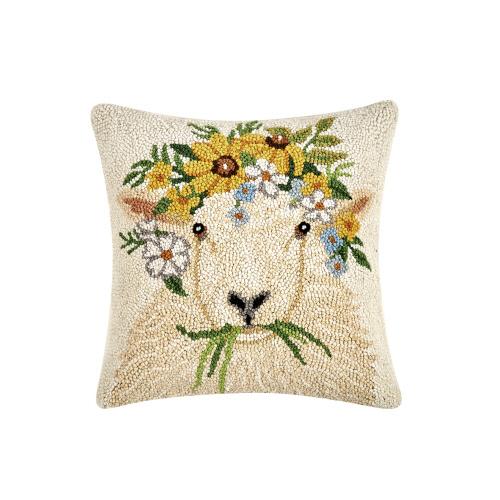
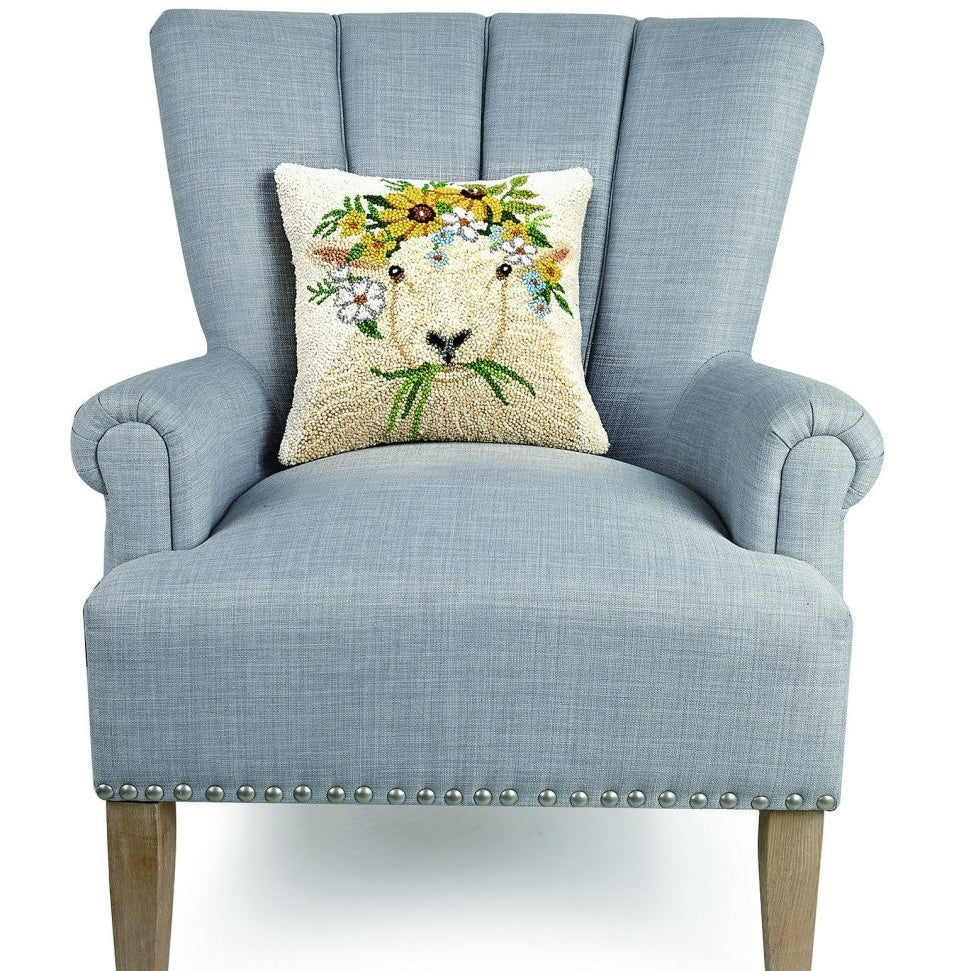
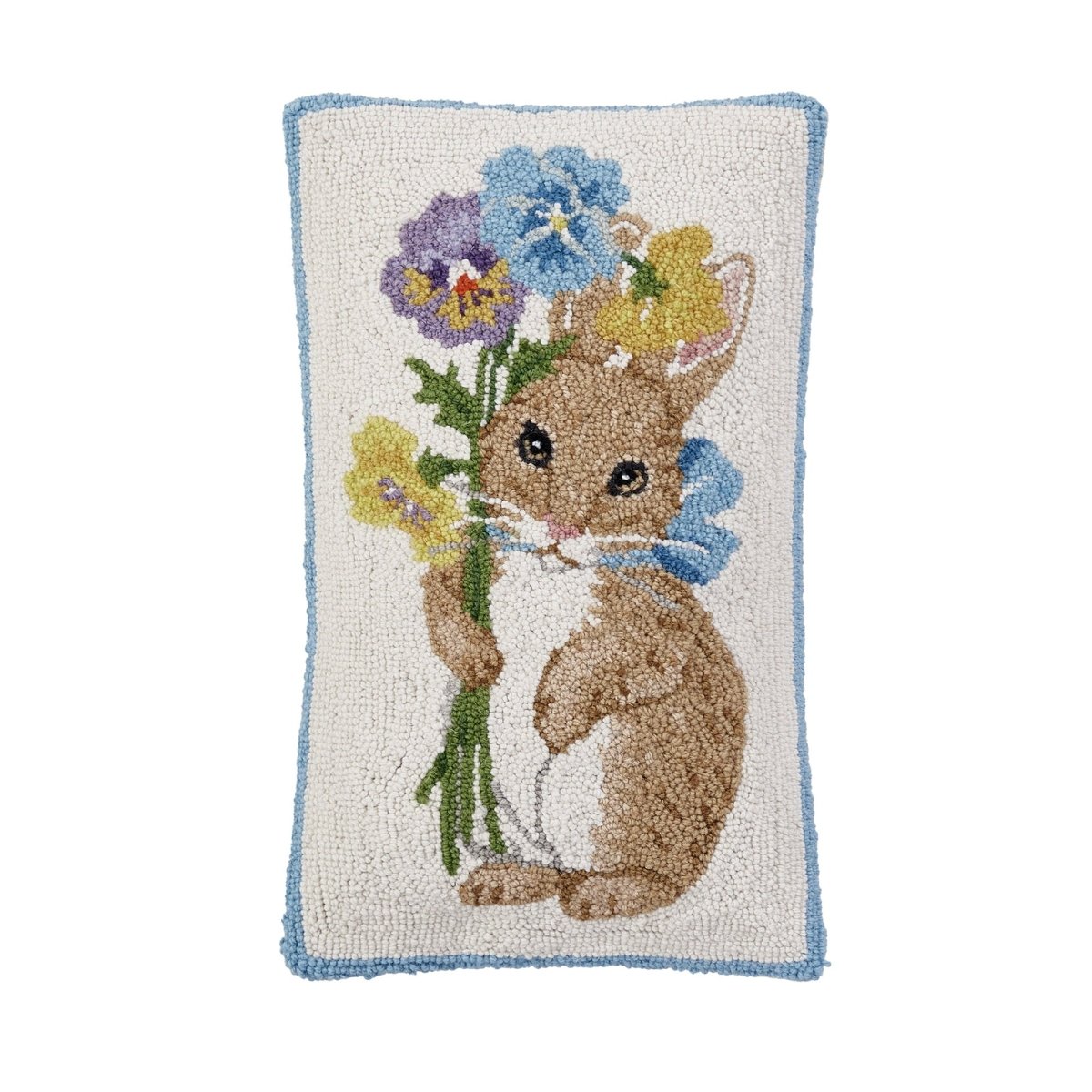
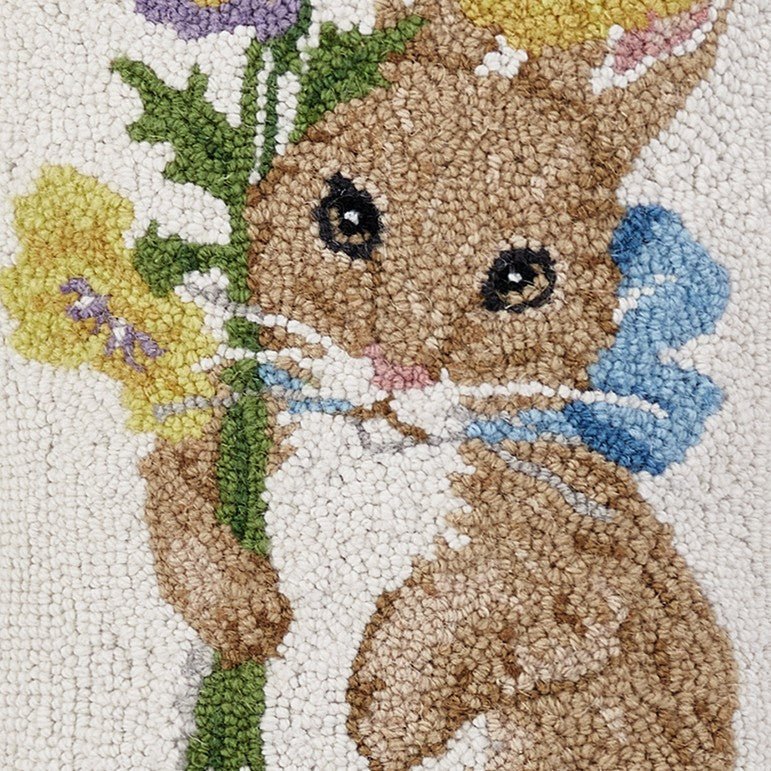
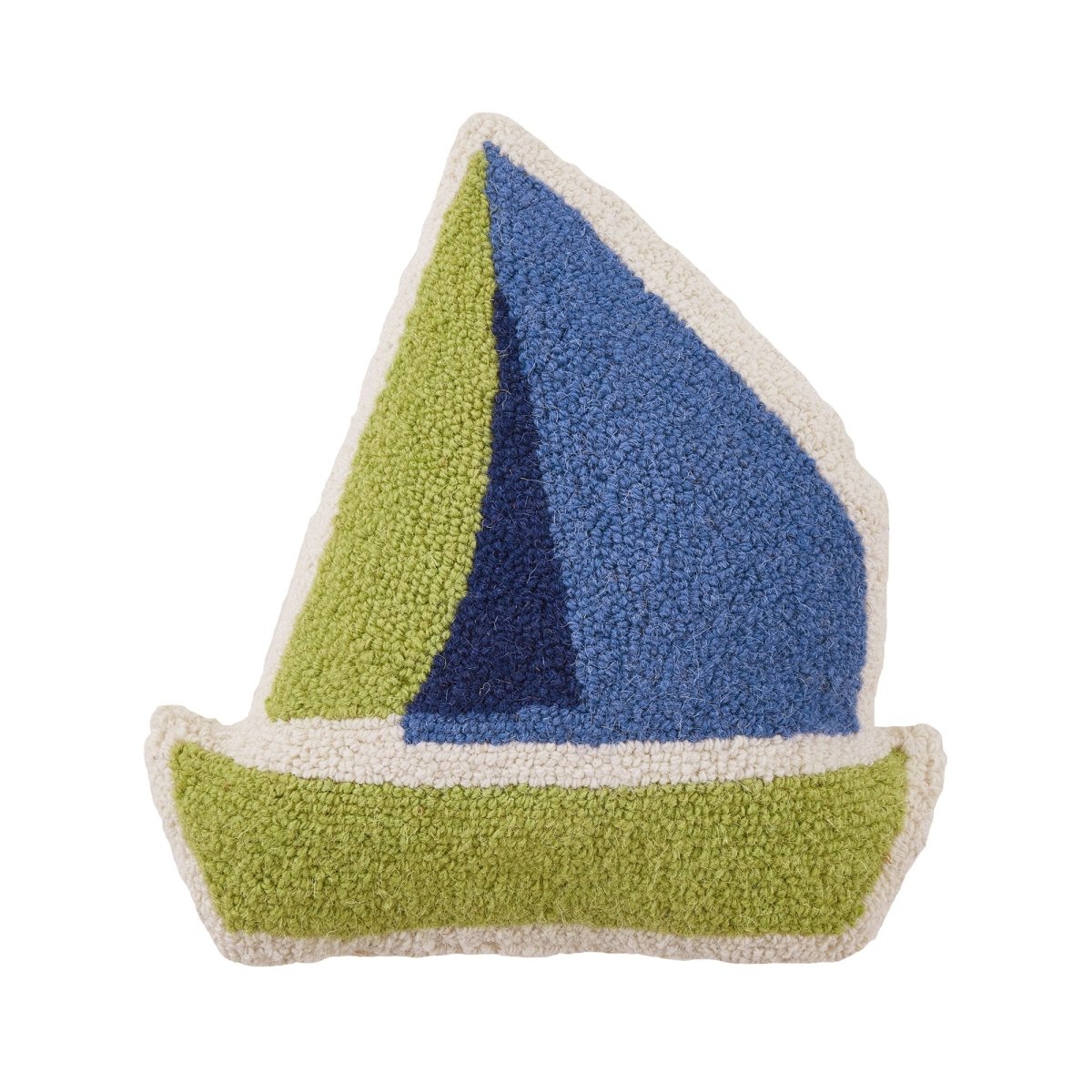
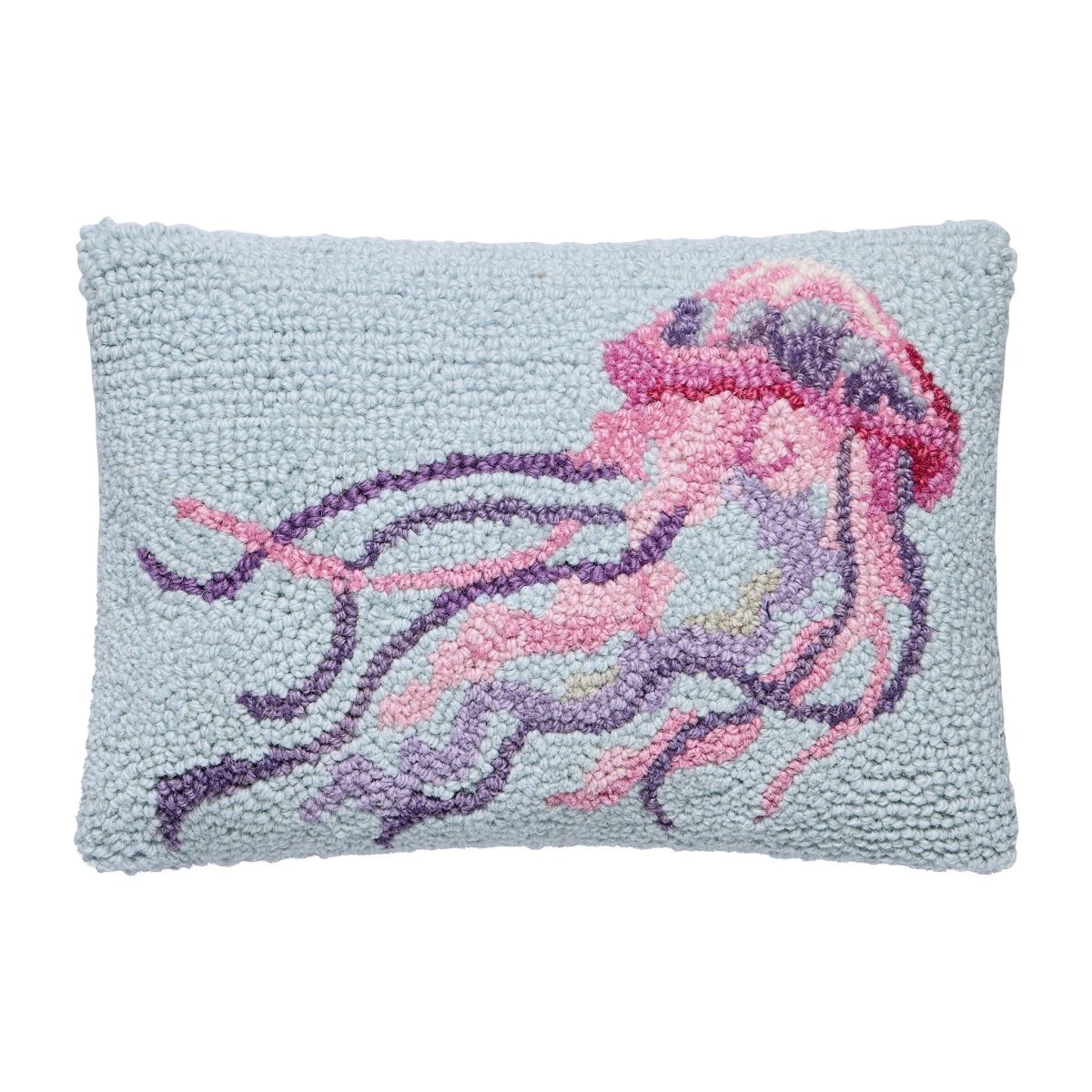
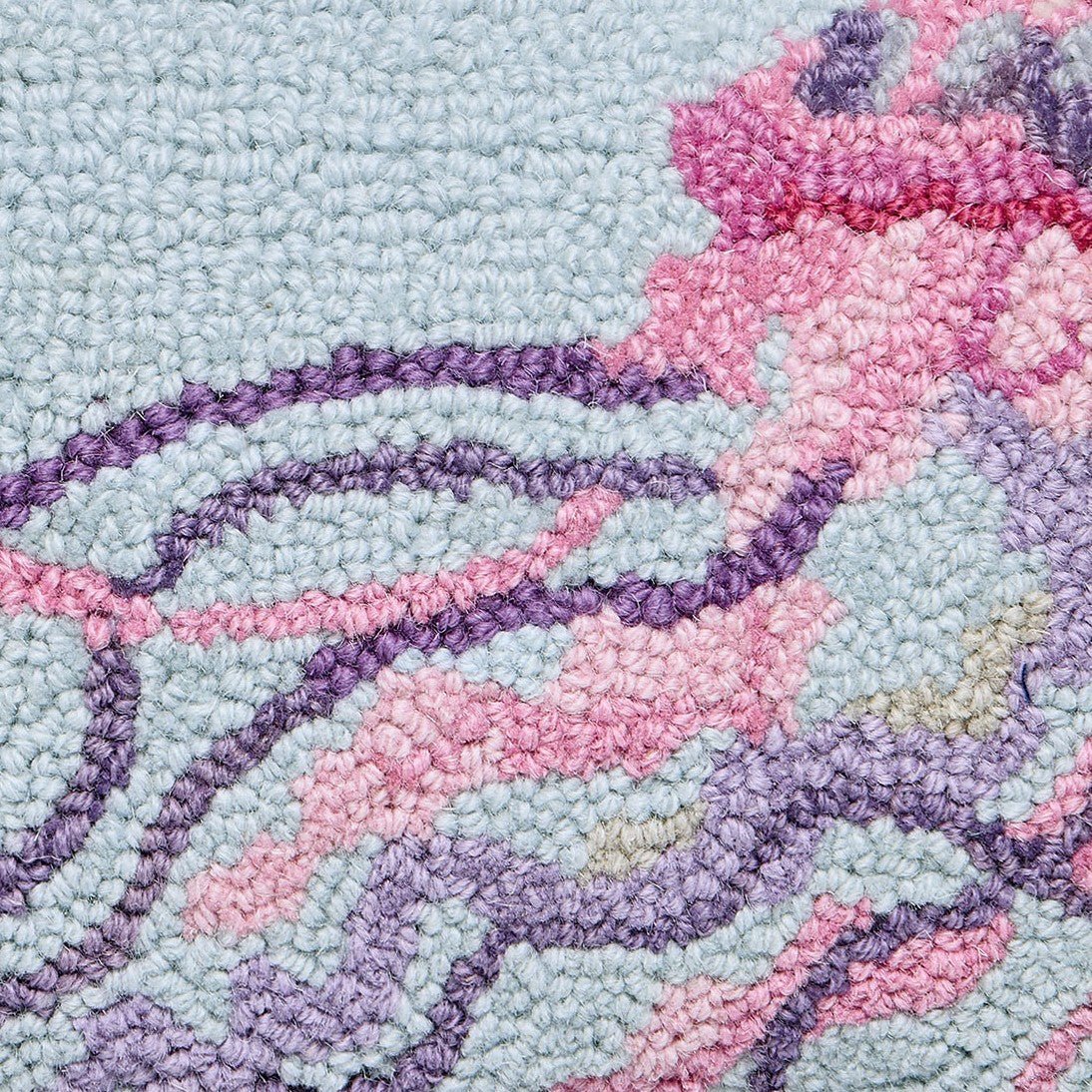
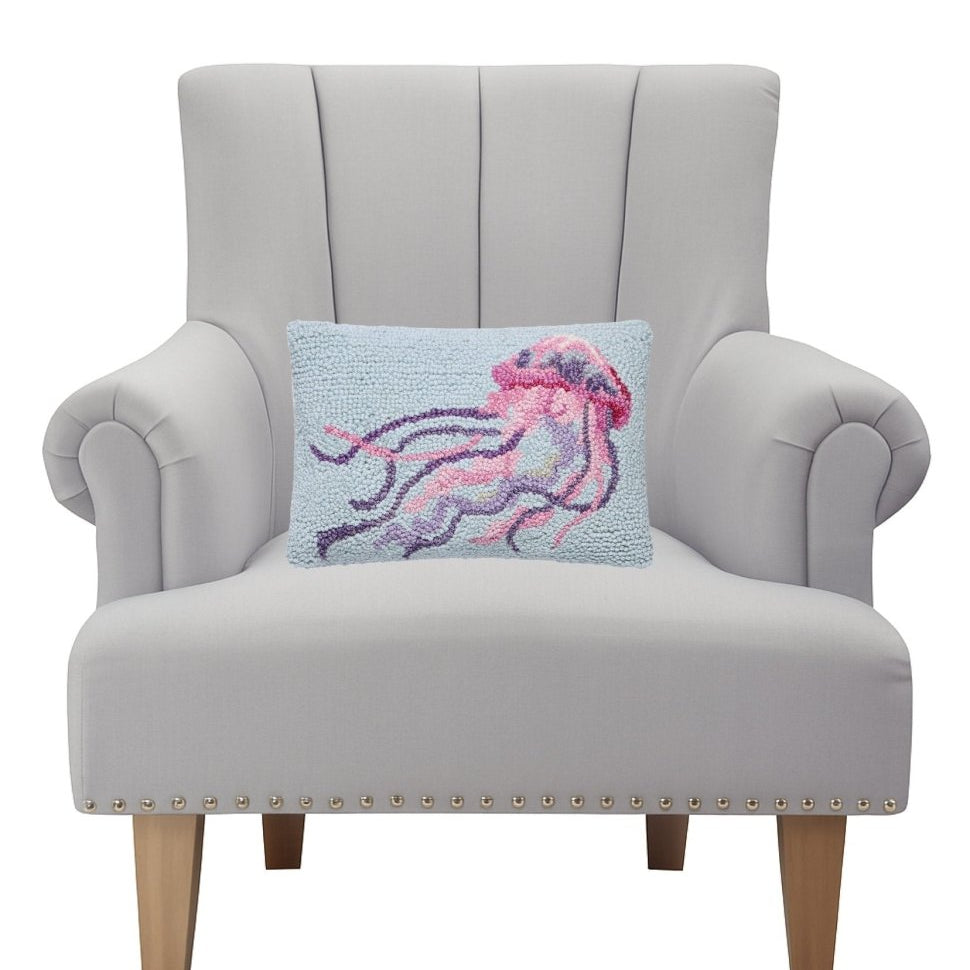
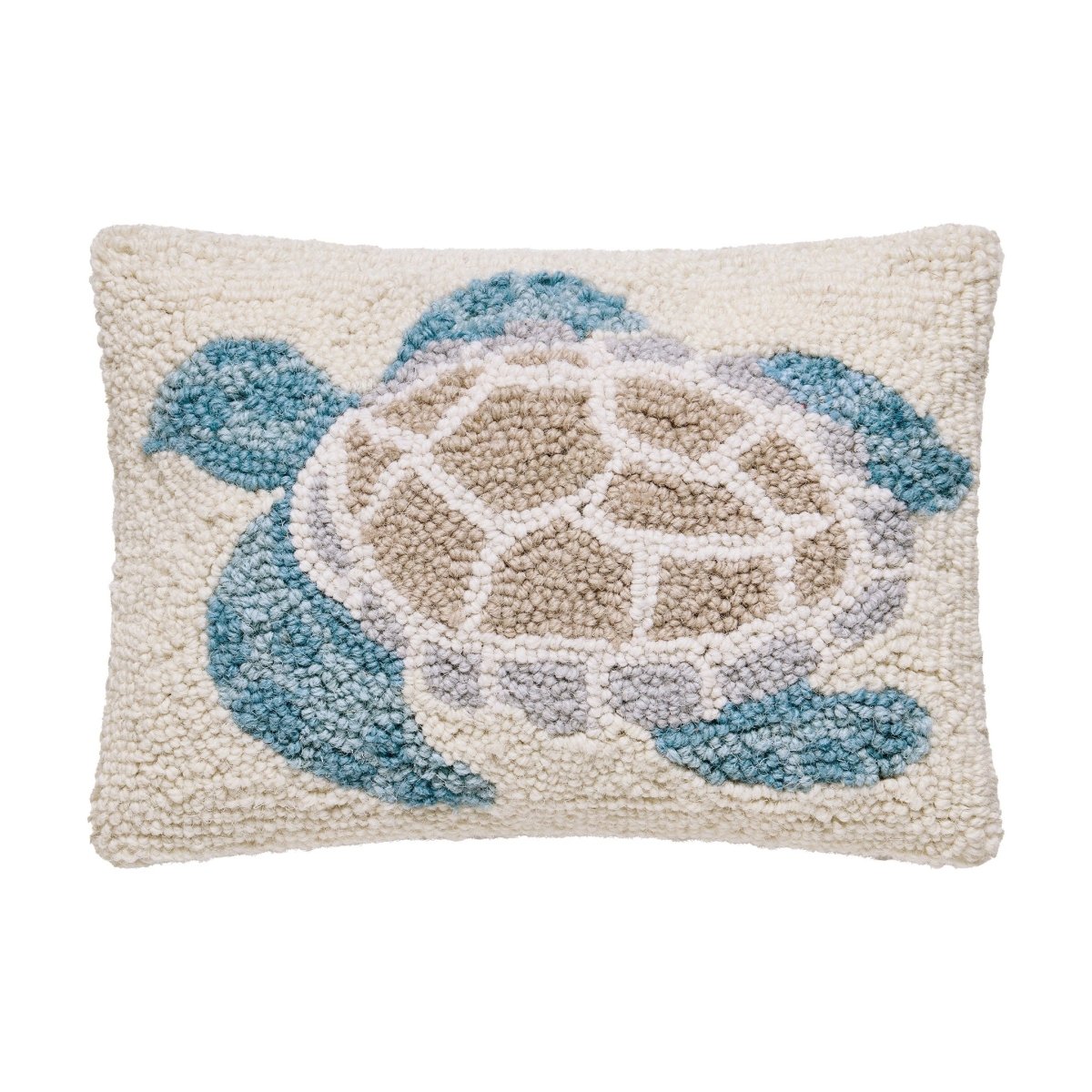
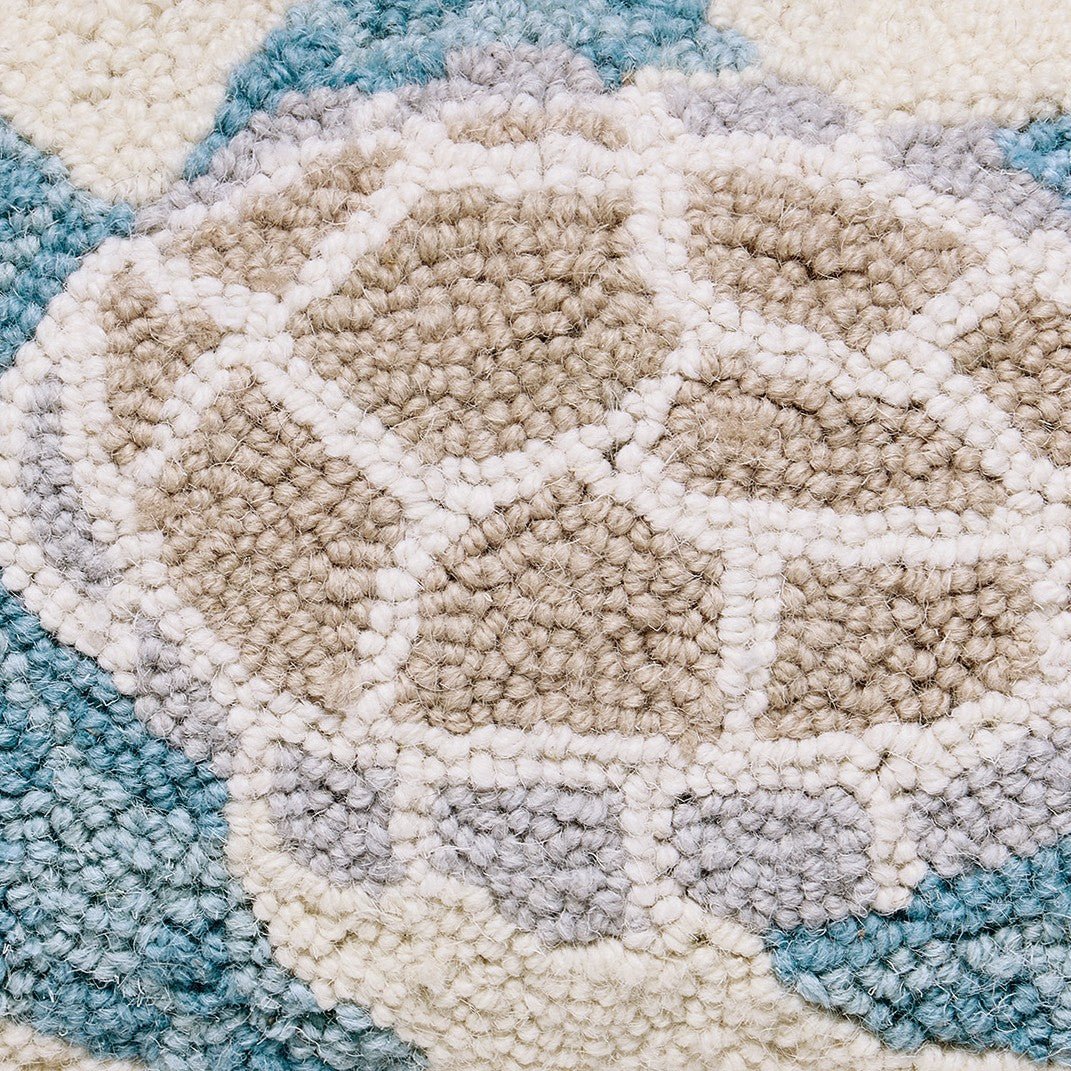
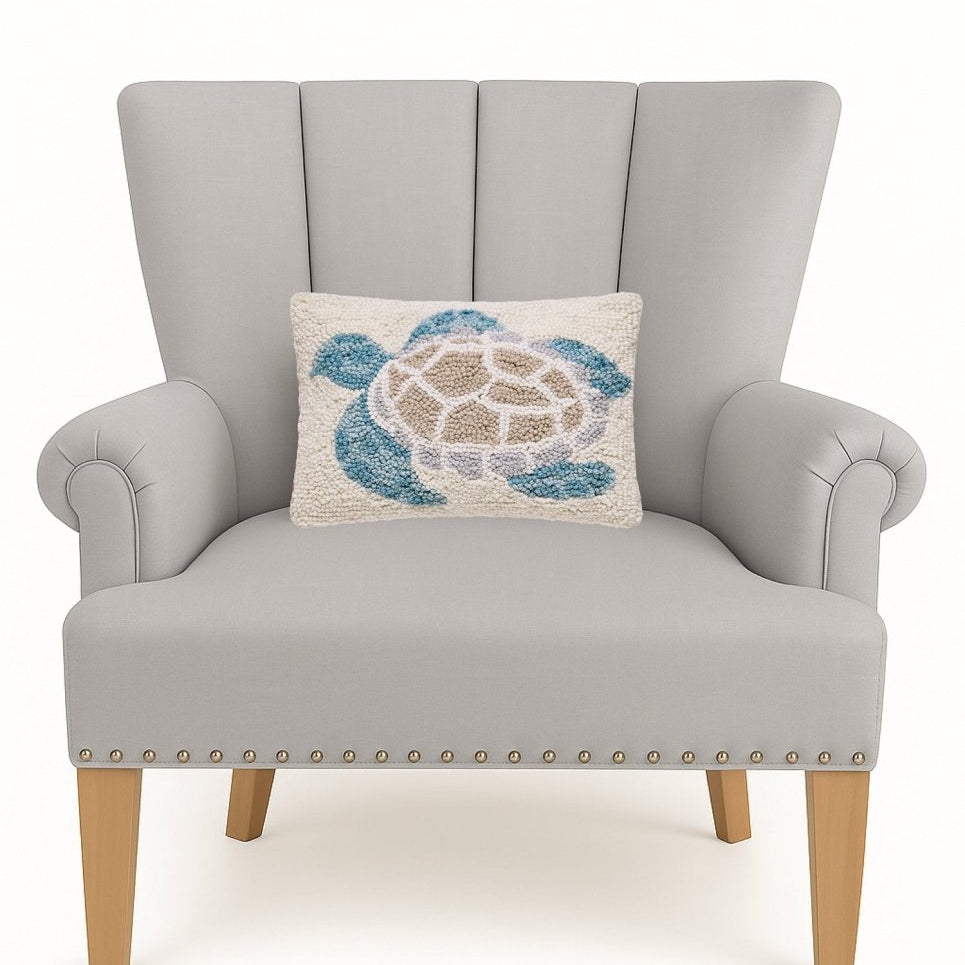
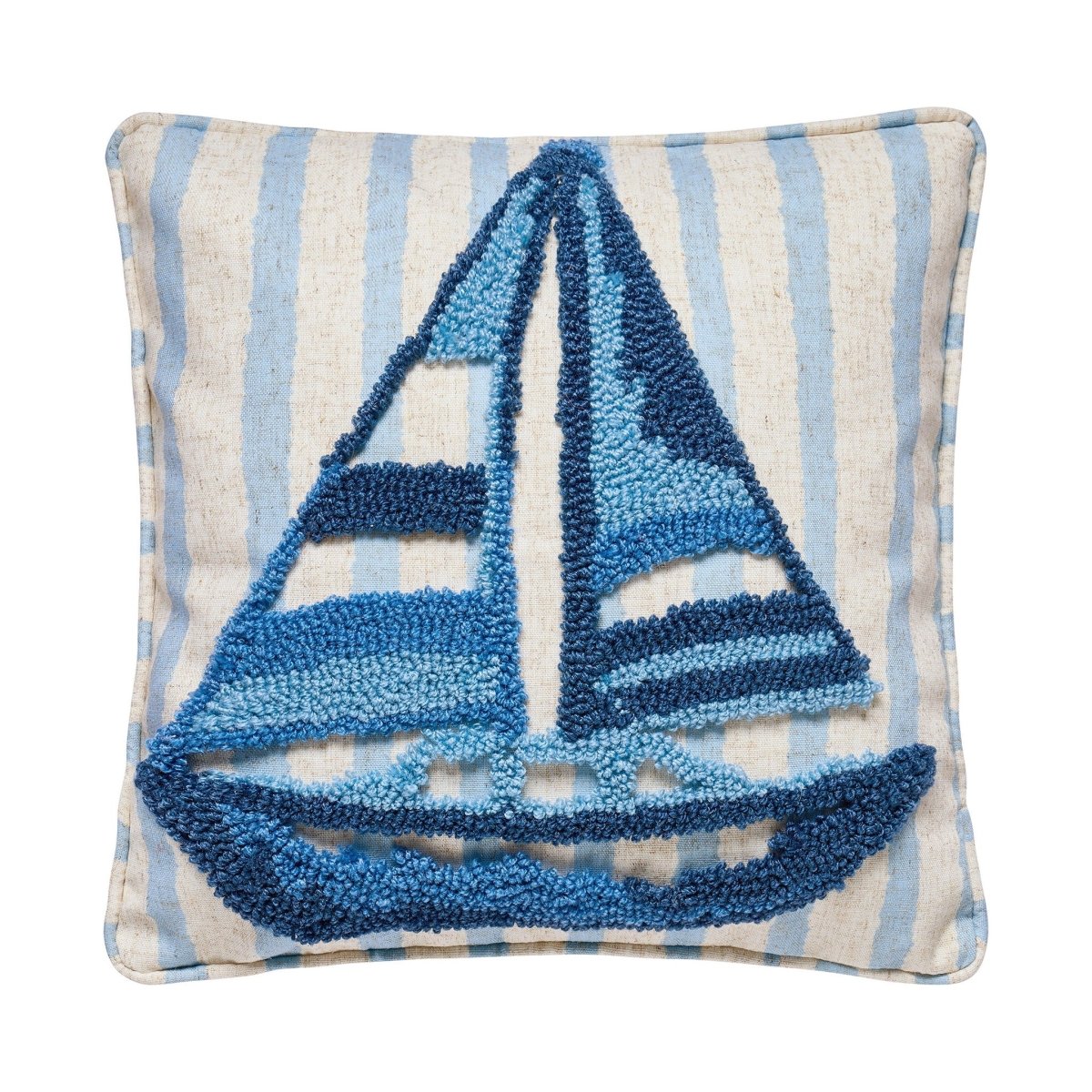
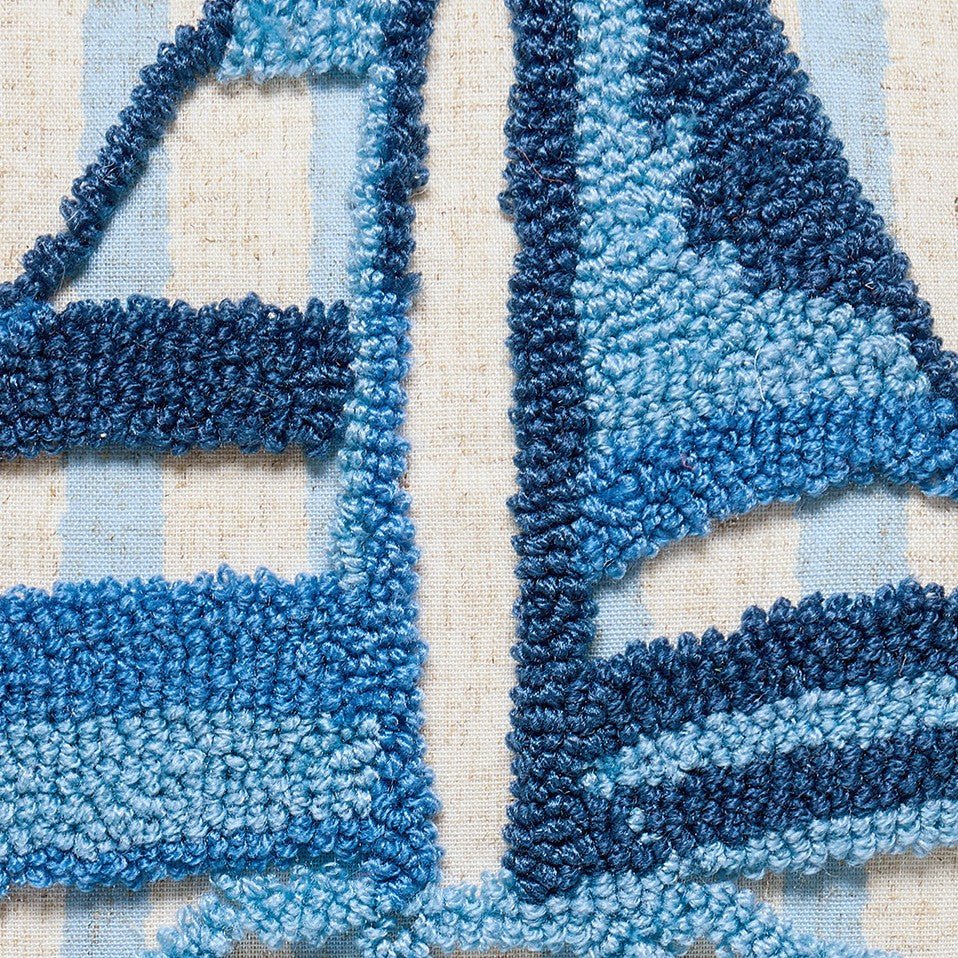
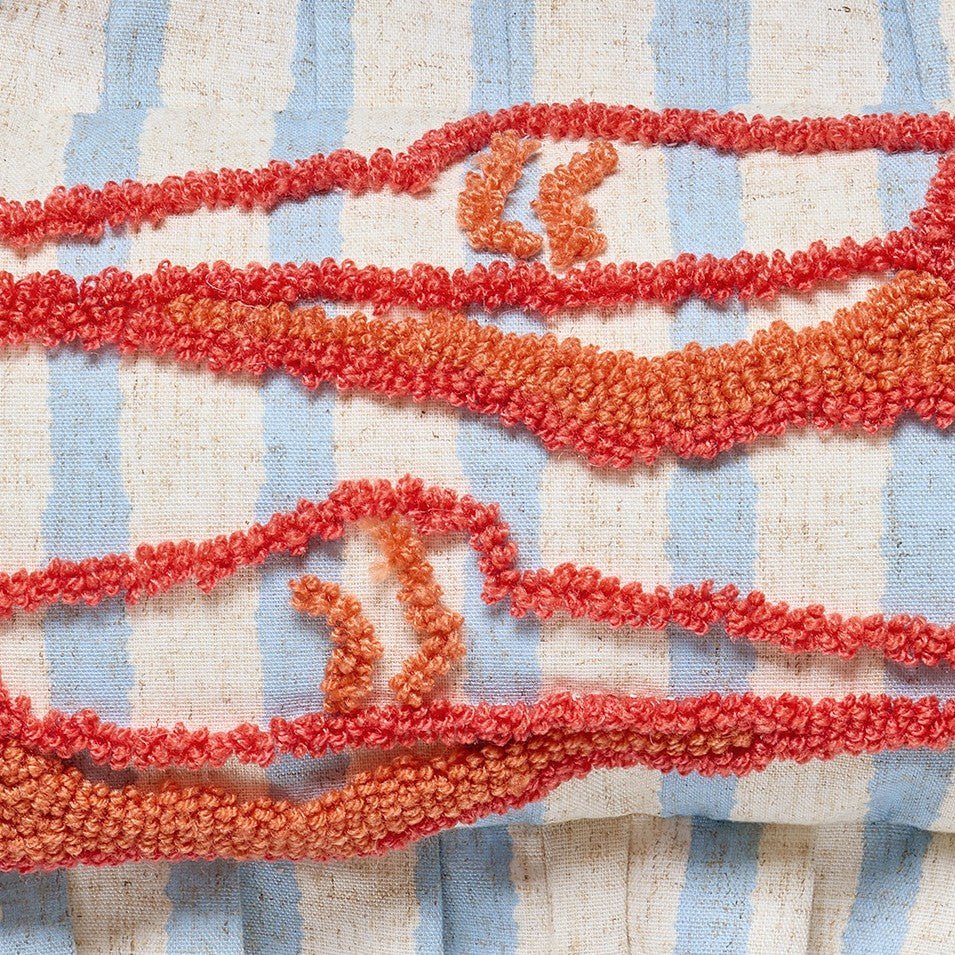
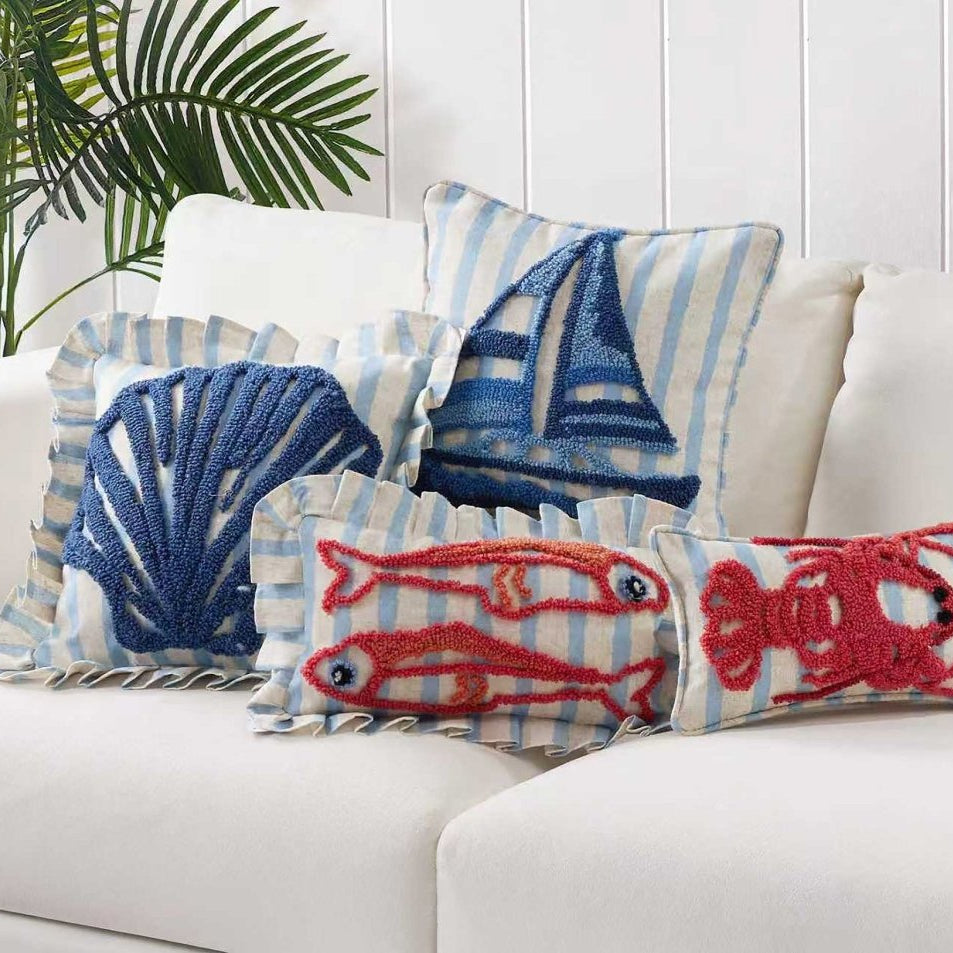
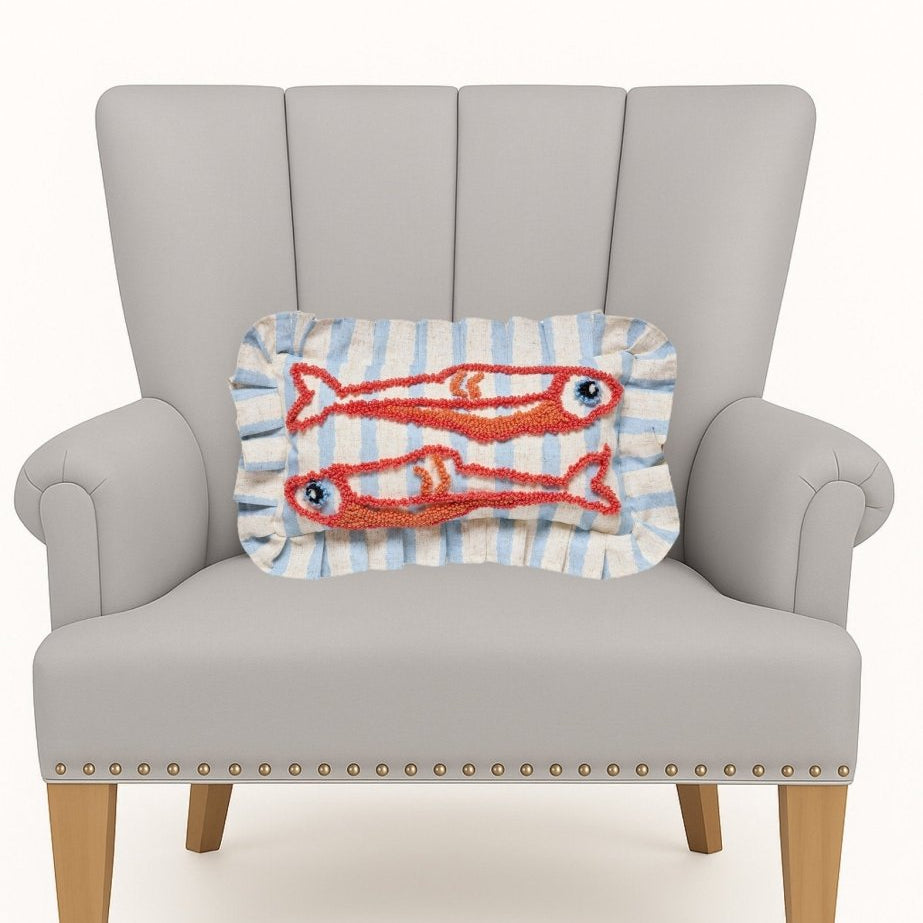
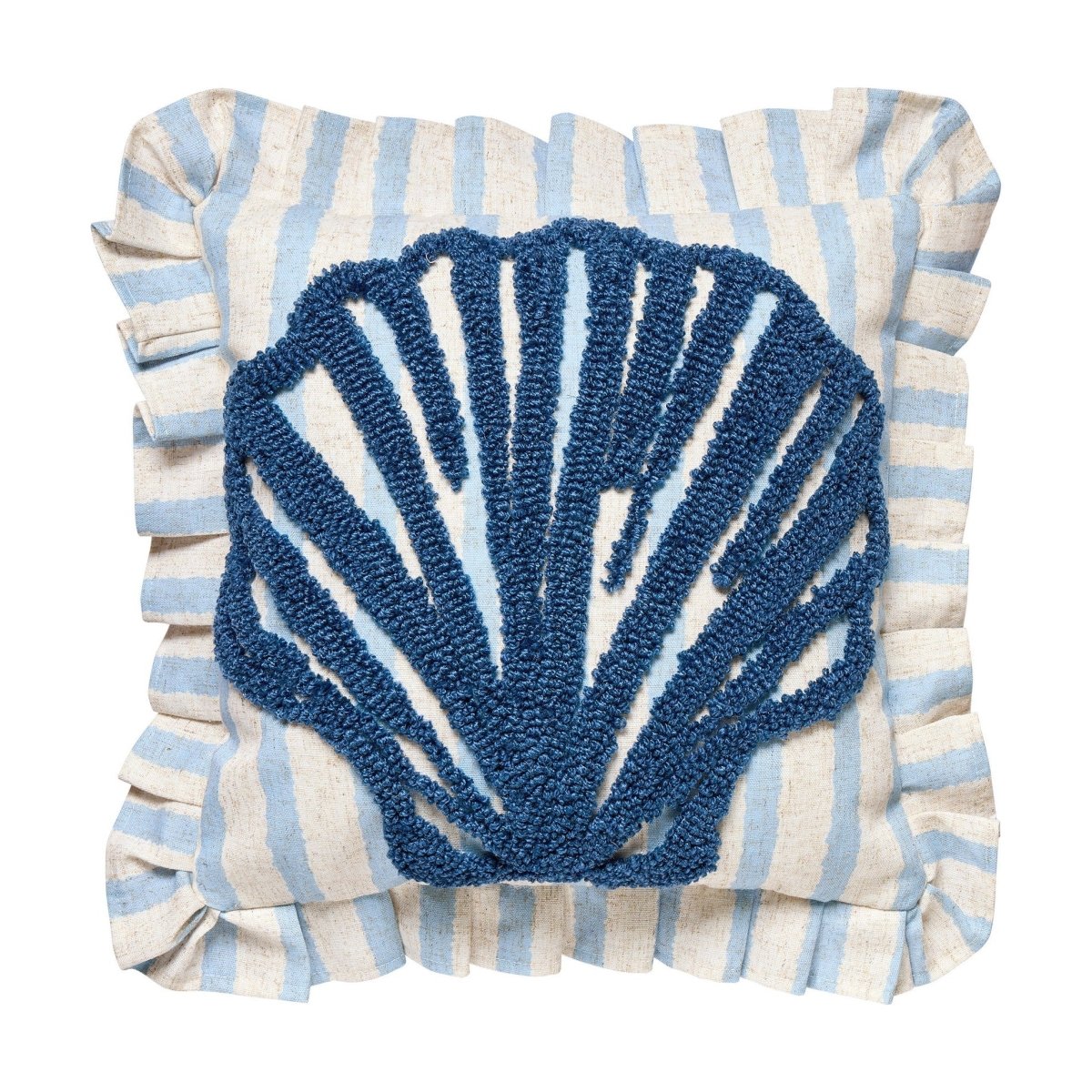
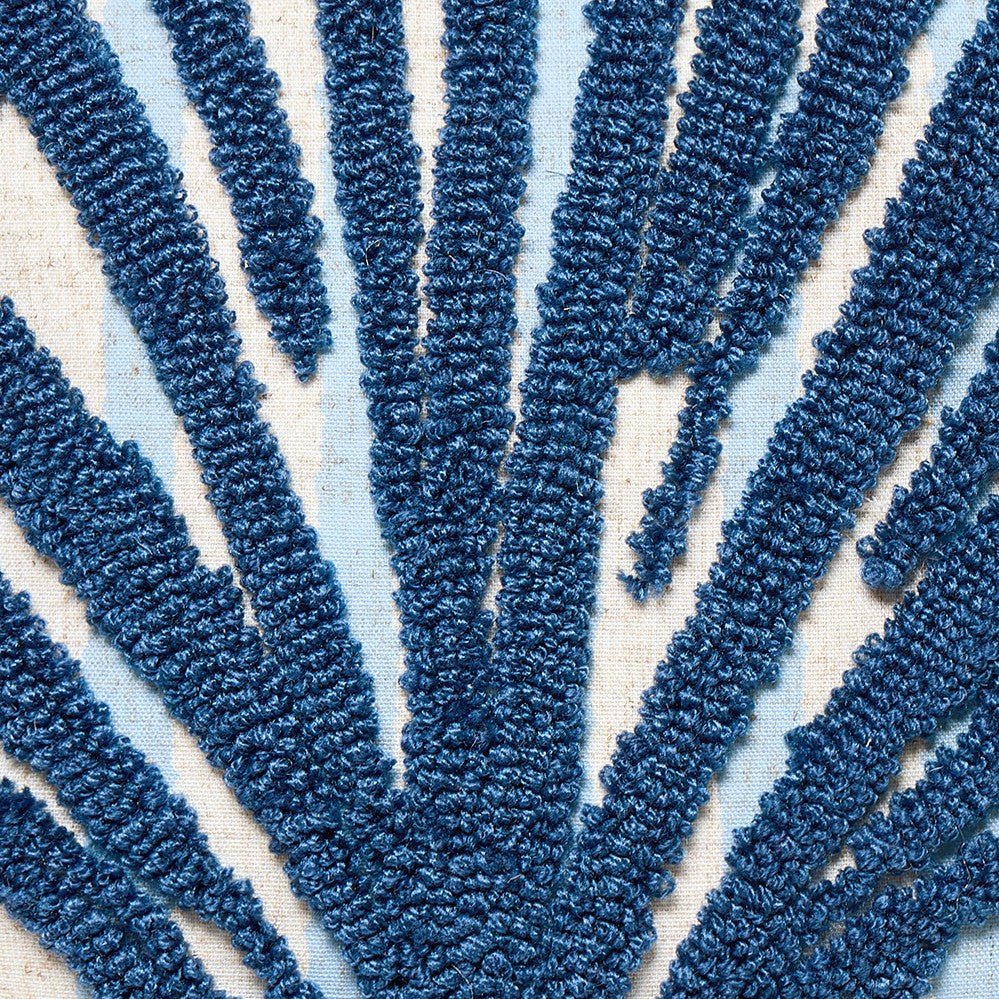
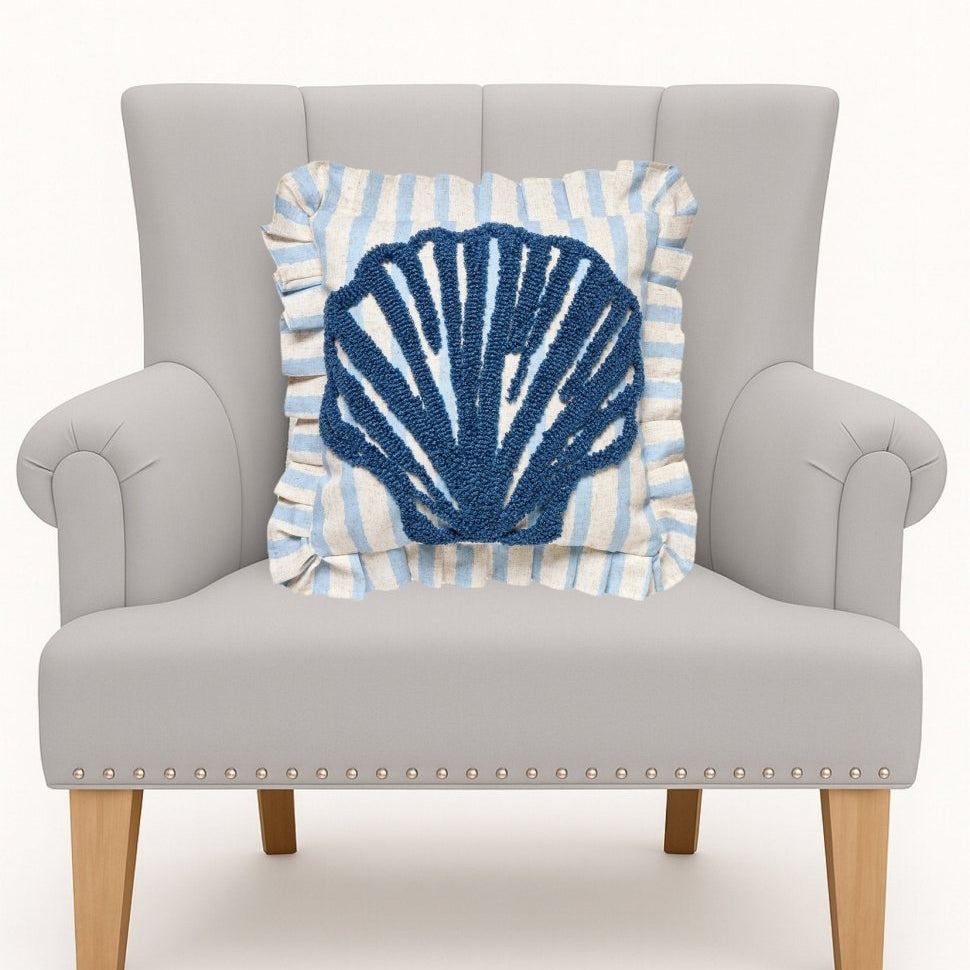
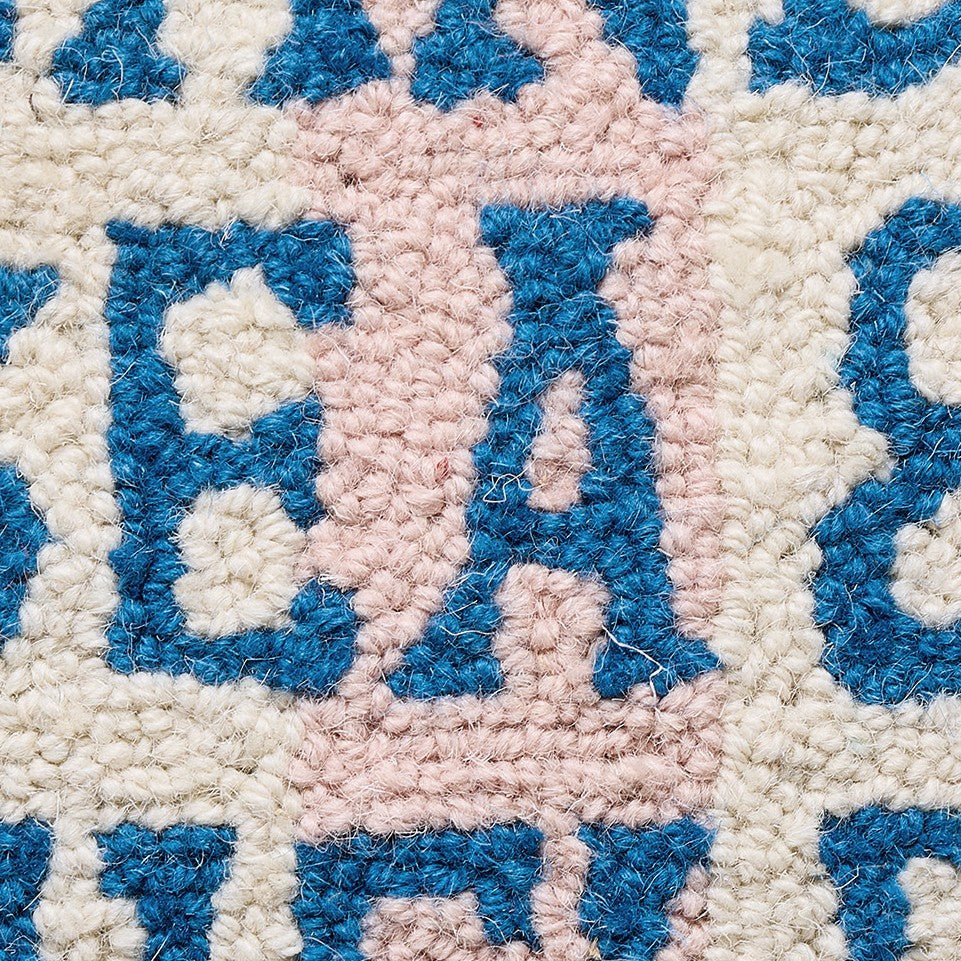
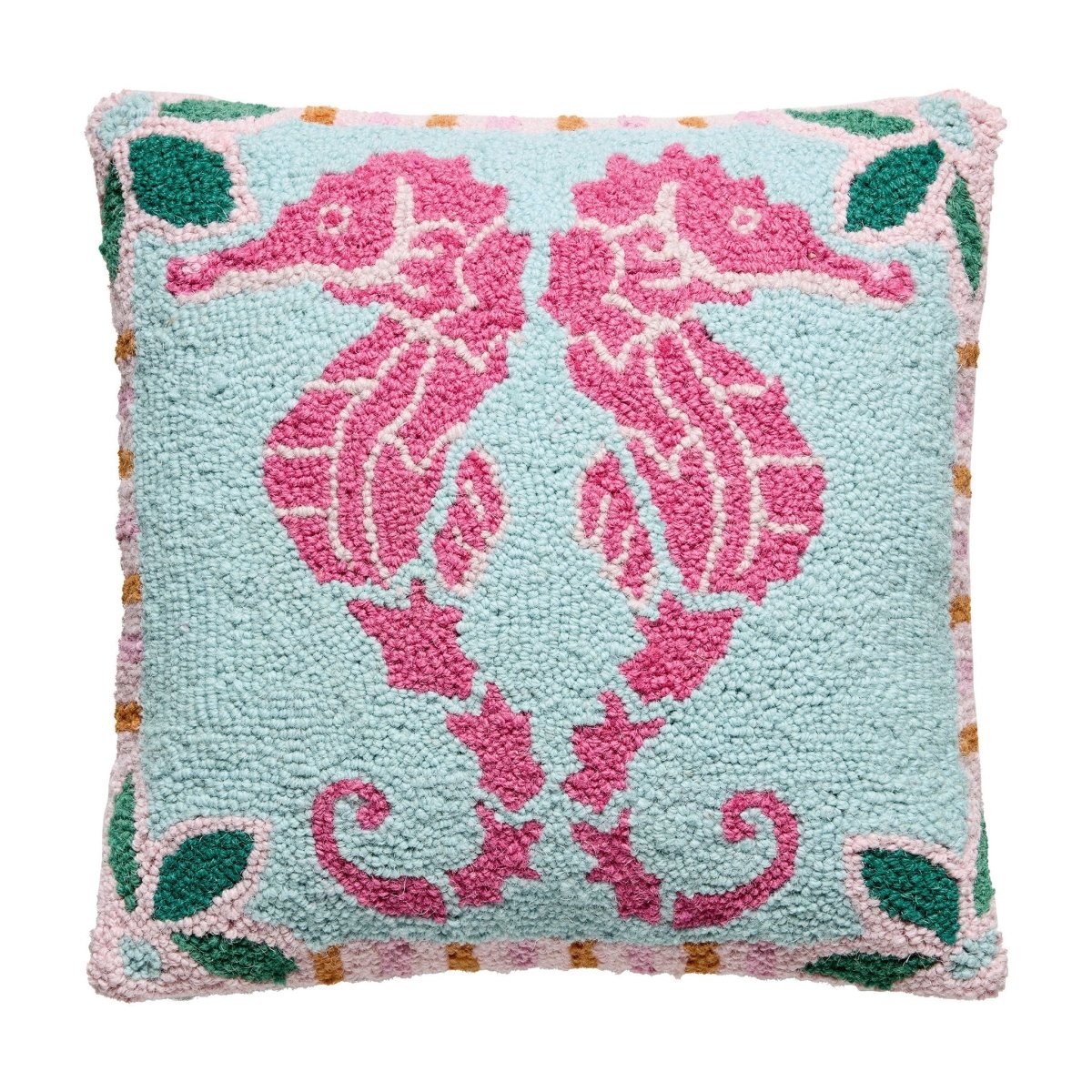
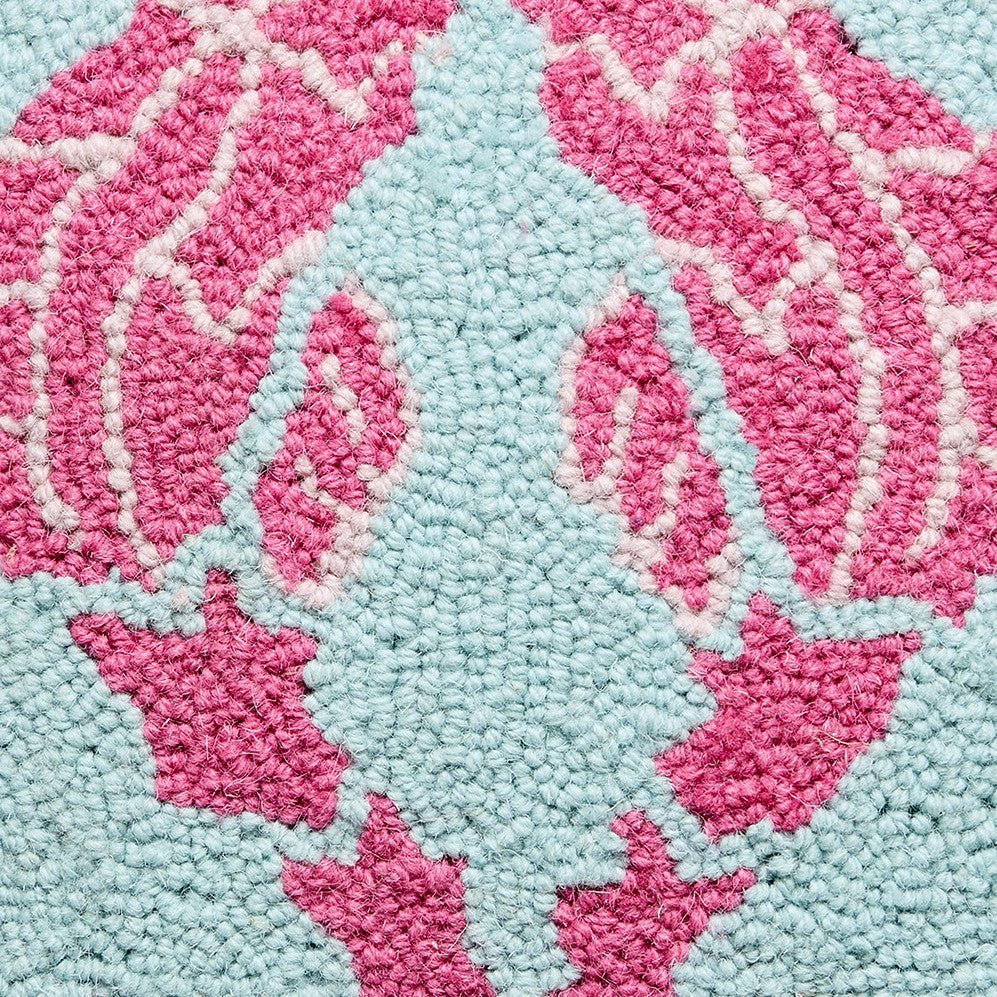
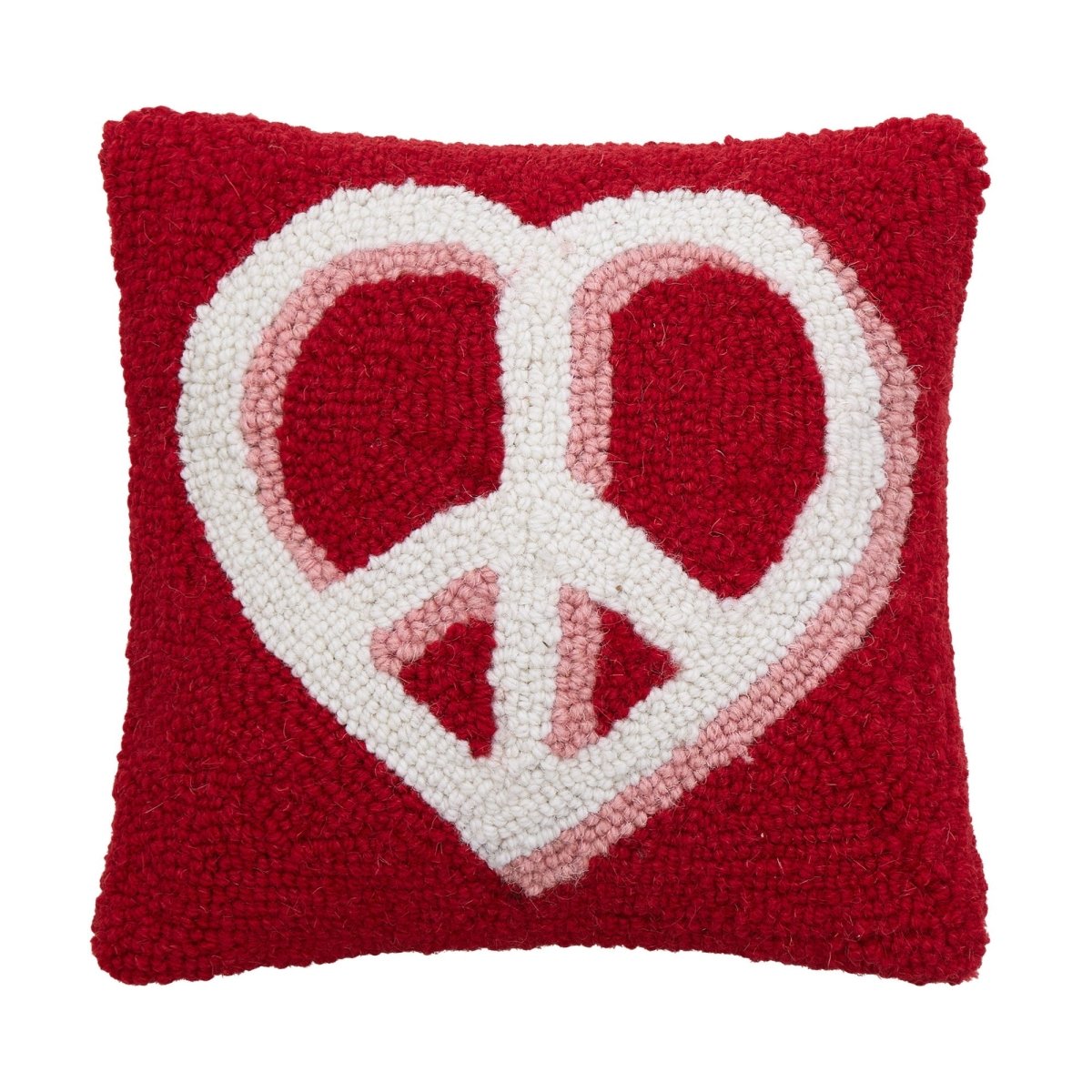
Needlepoint is worked stitch by stitch in wool on canvas. It holds fine detail, which is why the lighthouses, sailboats and navigational motifs tend to be needlepoint: you want the rigging to read. Hooked wool is pulled loop by loop, so it sits proud of the surface and catches light. It suits the graphic pieces, the big simple whale or the wave pattern, and it is the one that reads as handmade from across the room. Embroidery on cotton is the lightest of the three and the most forgiving in a bright, sun-filled room.
Shore House, Lake House, Landlocked
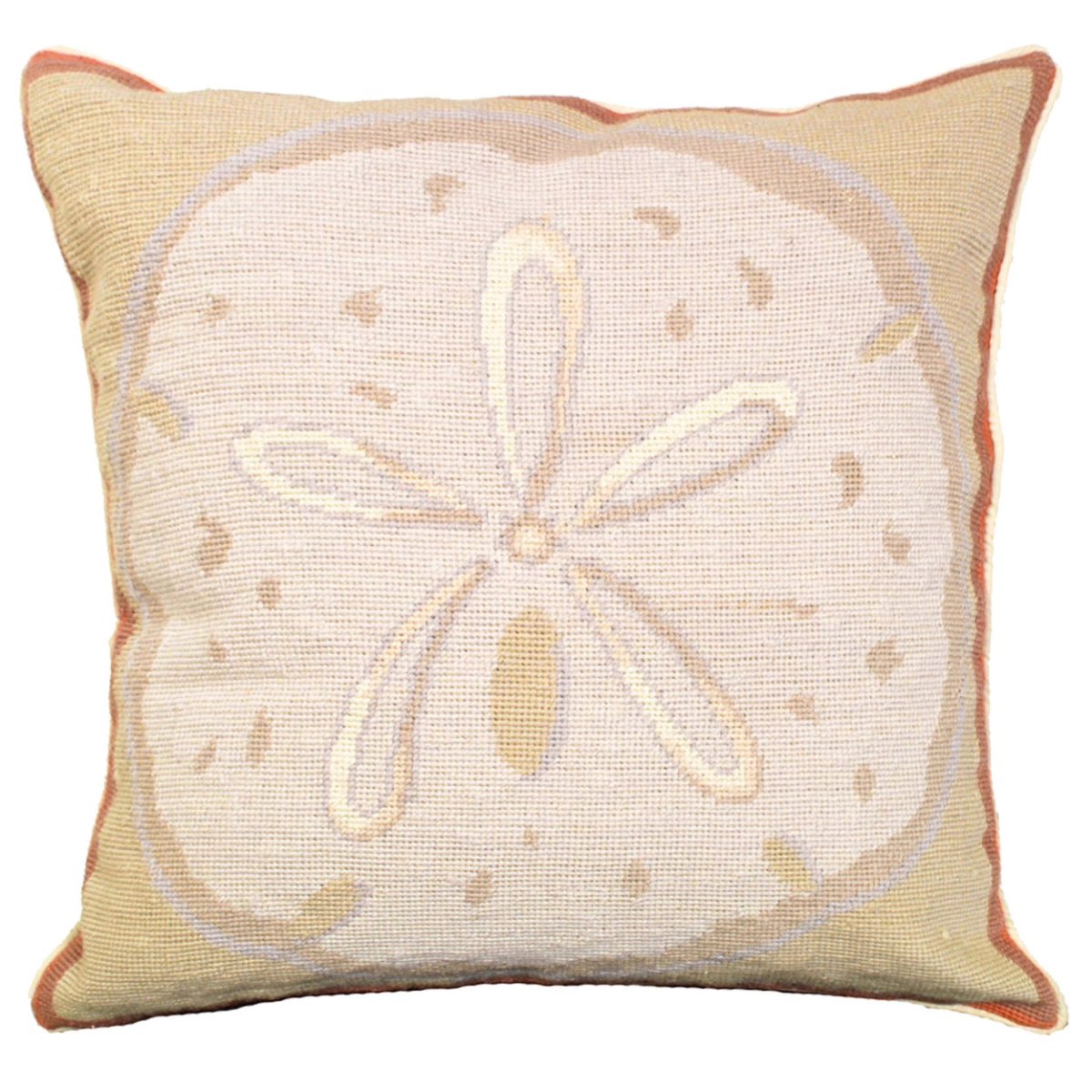
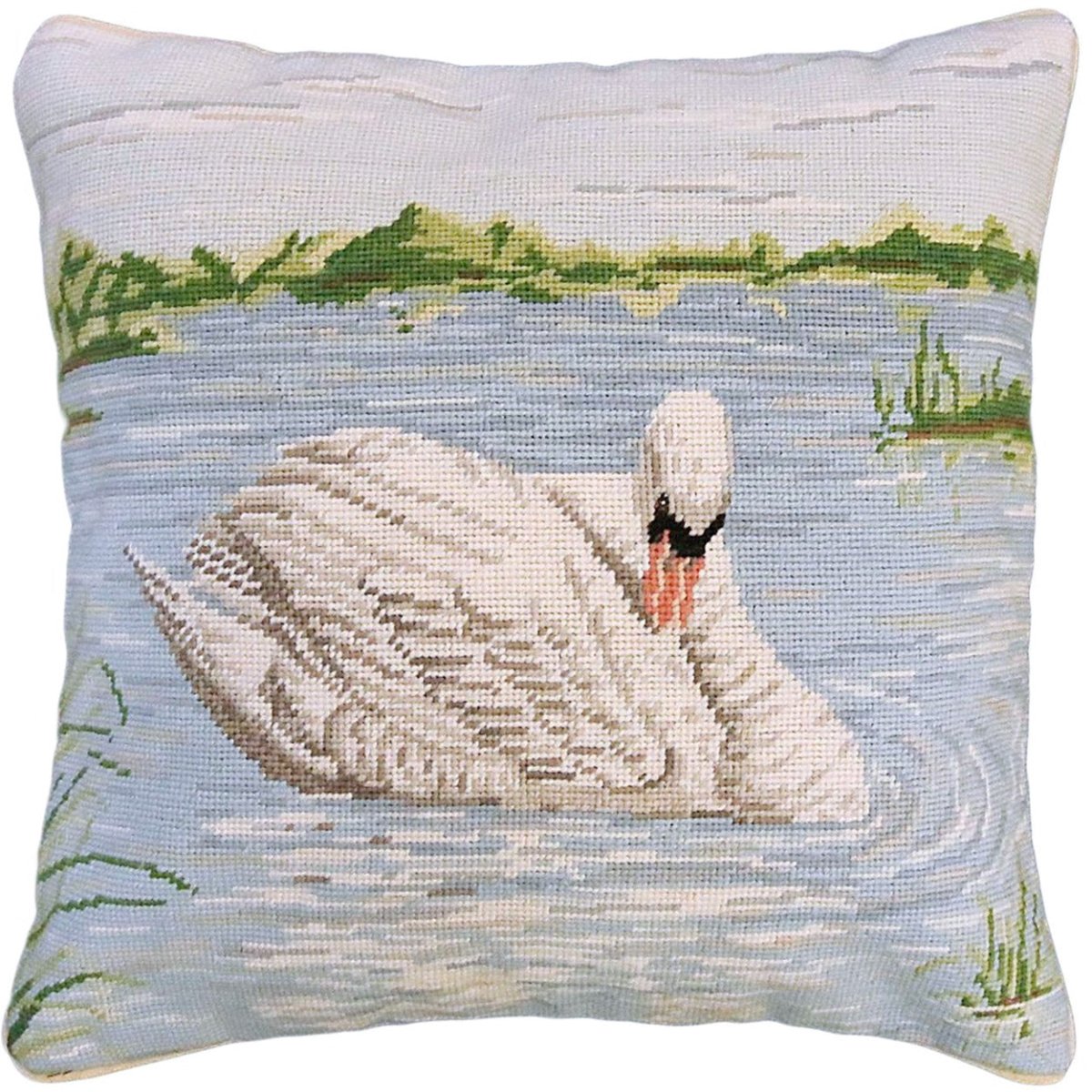
A shore house can take the literal subjects: anchors, buoys, shells, a lighthouse. A lake house usually wants the quieter end, so lean toward the animals and the landscapes and away from the sailing hardware. If you are decorating inland and just like the palette, use the coastal pieces as the accent against a neutral base and keep the count low; two stitched pillows in blues and sand will do the work without turning the room into a vacation rental.
Living With Wool Near Salt Air
Salt air is harder on textiles than most people expect. Keep stitched pillows off screened porches and out of direct afternoon sun, which fades wool faster than anything else. Rotate them end for end a couple of times a season so any fading is even. Needlepoint and embroidered pieces should be dry cleaned, ideally by someone who works with wool textiles. Hooked pillows are spot clean only, because both dry cleaning and machine washing pull and distort the loops. Never machine wash any of them. Store them over winter in a breathable cotton bag rather than sealed plastic, especially in a house that gets closed up damp.